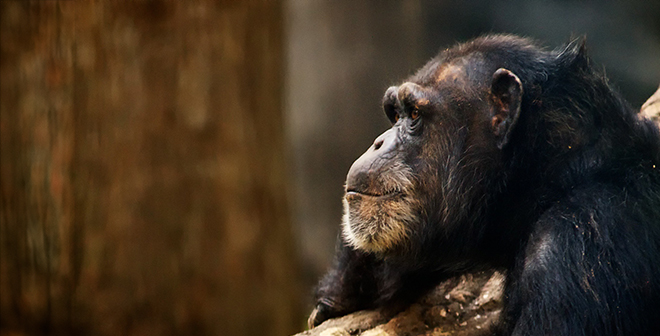
| | ESG investing is as old as capitalism Florida governor and political candidate Ron DeSantis has declared war on ESG investing, calling it "woke" and passing a law that bars state officials from making ESG investments or ESG bond sales. Other GOP-led states have followed suit. But the author of Free Market: The History of an Idea, Jacob Soll, argues: The idea that moral concerns have value—and that money should be invested according to them—goes back to the origins of capitalism. It's also an approach steeped in American history.…ESG is just another name for moral considerations in capitalism. The left may think that's an oxymoron and the right may see a woke conspiracy, but it's a notion that has existed since the rise of capitalism in medieval Italy and which has been central to America since its founding. Free markets often involve governments regulating and intervening in the economy. However, attempts by conservative politicians to block ESG investments go against the basic principles of democracy and capitalism by which we have the right to spend and invest money according to personal choice, religious and moral freedom, and pursuit of the national interest through legislative consensus, all of which are fundamental to free societies and free markets. | | | | | The economics of chimpanzees We often look to history to interpret current economic conditions, but perhaps we should look to wildlife. Netflix's new docuseries Chimp Empire follows Uganda's Ngogo chimpanzees, the largest known chimpanzee society. Until recently, this society lived in harmony but has now divided into two warring tribes. As Greg Rosalsky of NPR's Planet Money writes, What's particularly fascinating about this conflict is that economics seems to be at the center of it. The Central and Western chimp clans are competing for the ownership of a scarce resource: fruit trees, which are their primary source of sustenance. At the beginning of the series, the Central chimps have control over some of the most coveted fruit trees. They even patrol their borders to ensure that the Western Chimps don't encroach on them. But—without giving away too much—the Western Chimps do exactly that, and the territorial conflict turns violent. | | | | | Hay—yes, hay—is sucking the Colorado River dry Shortages often spawn economic interventions. Agriculture currently uses 80% of the water passing down the Colorado River each year, and a single forage crop, alfalfa hay, is responsible for over a third of that drain. California, Arizona, and Nevada have agreed to reduce water usage by about a trillion gallons a year in order to protect their drinking supply. For the next three years, the states will pay farmers who ordinarily grow livestock feed $1.2 billion not to, which should make up most of the needed reduction. Why are we talking about hay? This story highlights the kind of economic trade-offs that we are increasingly going to be called to make. | | | |



Комментариев нет:
Отправить комментарий
Примечание. Отправлять комментарии могут только участники этого блога.