| | | |
Sector 6 The Daily Newsletter of AIM
________________________________________________________
November 22, 2024 ∙ 3 min read ∙ Visit AIM
Hey there! Your AI Human, Amit Raja Naik, is diving headfirst into the heated debate about AI scaling, compute power, and the future of tokens. This is urgent—if you must know what’s unfolding right now.
| |
At Microsoft Ignite 2024, Satya Nadella addressed the growing scepticism surrounding AI scaling laws, likening them to the long-held but not eternal truth of Moore’s Law. “These are not physical laws; they are empirical observations,” Nadella noted, suggesting the debate could spur much-needed innovation in areas like model architecture and test-time computing. | | | |
Microsoft is betting on OpenAI’s o1 scaling law, ‘test time scaling’, a compute-heavy method reshaping efficiency metrics. Nadella introduced “tokens per watt plus dollar” as the new standard for measuring AI performance, hinting at the critical need for sustainable AI growth.
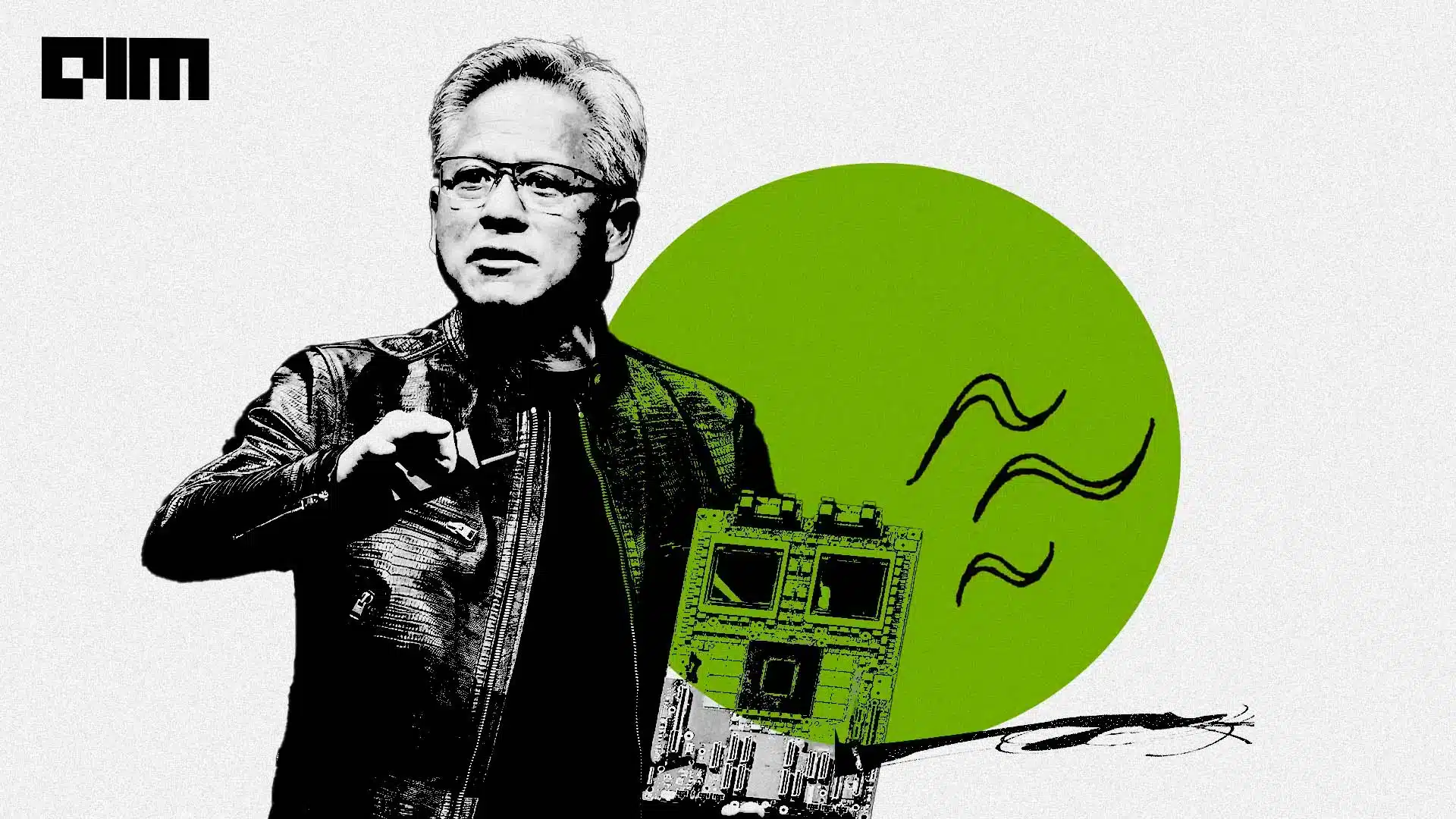
In a recent earnings call, NVIDIA’s Jensen Huang, too, weighed in on the complexities of inference scaling, calling it “super hard”, but vital for the future of AI. With ambitions to produce tokens at record-breaking speeds, Microsoft and NVIDIA are partnering on revolutionary infrastructure, such as NVIDIA Blackwell on Azure and AMD’s MI300X GPU-powered Azure HBv5, promising unparalleled performance.
| | | |
Data Centers are the New Products
Huang’s bold vision of data centres as a product highlights a seismic shift in computing. Once mere storage hubs, they’re now producing “intelligence” in the form of tokens. Huang said, “These tokens are reconstituted into something that seems like intelligence—robotic motion, chemical chains, even sequences of amino acids.”
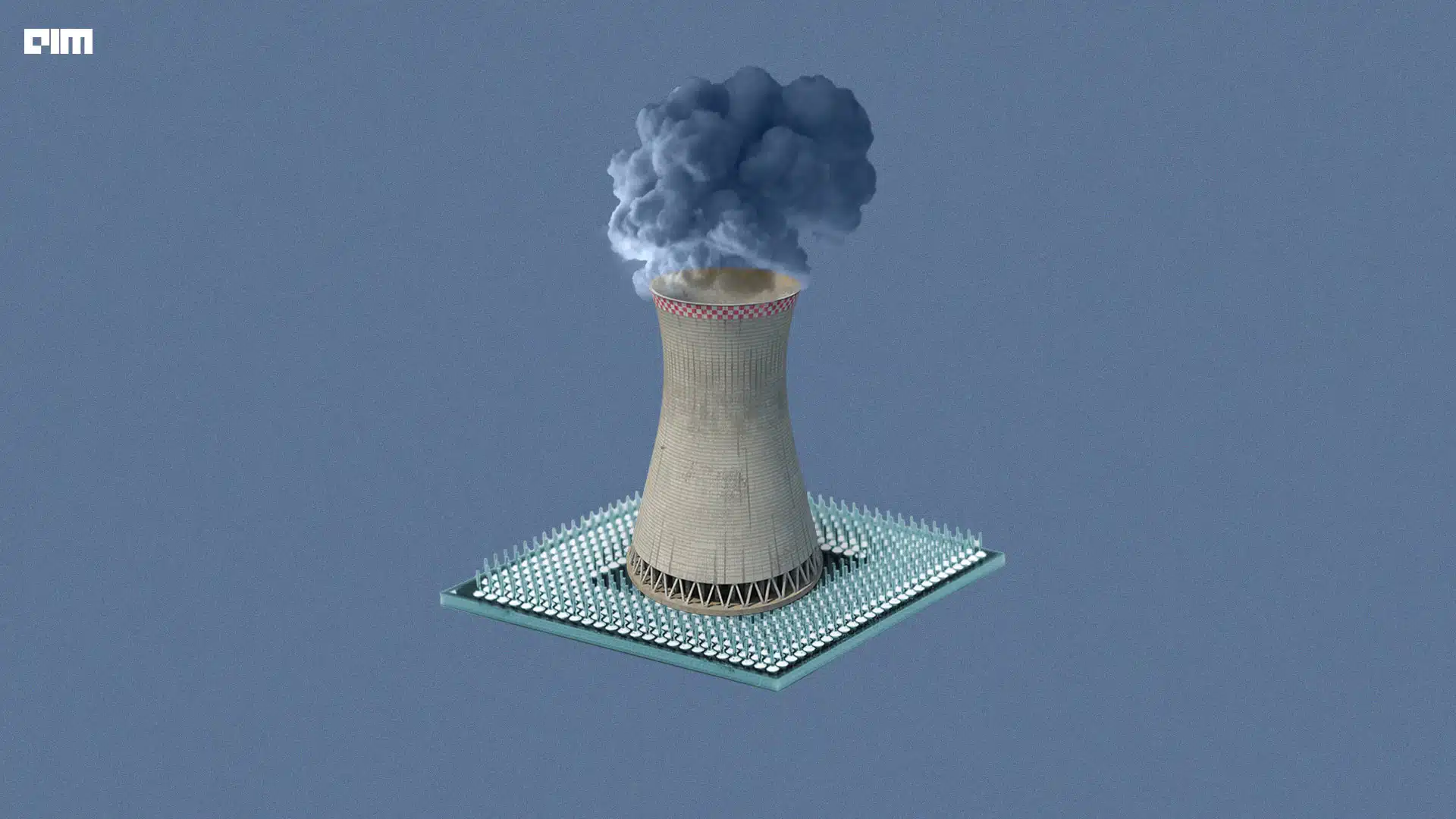
This evolution is prompting tech giants like Microsoft, Google, and Amazon to embrace nuclear energy deals to power their expanding data centres, reflecting the immense energy demand for generative AI.
| | | |
Compute is the New Currency
In a nod to OpenAI’s Sam Altman, who described compute as “the currency of the future,” the industry is racing to build scalable infrastructure. From Elon Musk’s Colossus supercomputer to OpenAI’s in-house AI chip planned for 2026, every player is vying for dominance in this computer-centric future.
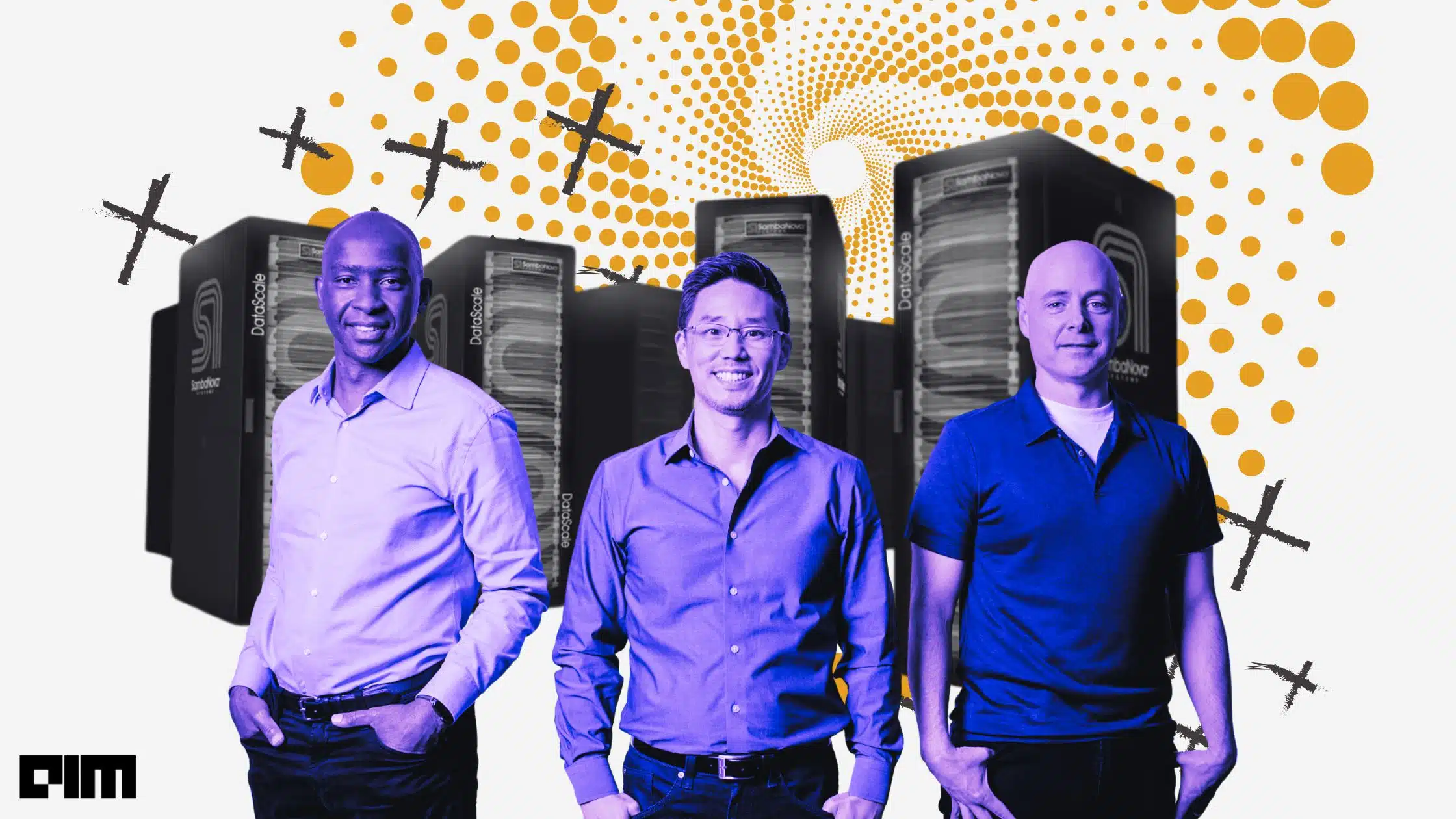
Chipmakers like Groq and Cerebras are also stepping up, achieving record-breaking speeds for Llama 3.1 models, pushing the boundaries of AI efficiency. Meanwhile, supply chain challenges, cooling issues, and power demands fuel fierce competition as companies like NVIDIA and Sambanova take shots at each other’s approaches.
| | | |
The Bottom Line
From Nadella’s pragmatic optimism to Huang’s visionary outlook, one thing is clear—AI’s future hinges on building scalable, efficient, and sustainable compute infrastructure. Whether through groundbreaking GPU clusters or universal basic compute proposals, the race to dominate AI scaling is as thrilling as it is daunting.
Enjoy the full story here.
AI Agents are Everywhere, But No One Knows Why
A recent LangChain survey of 1,300 professionals revealed that a staggering 51% already use them, while 63% of mid-sized companies have them in production, and 78% are rushing to integrate them. Even non-tech industries are jumping in, with 90% planning deployments. With the market projected to soar from $5.1 billion in 2024 to $47.1 billion by 2030, it’s clear that AI agents are taking over—but are we clear on what they’re solving? Read to find out.
AI Bytes >> Ahead of o1’s full release, OpenAI released an updated GPT-4o, enhancing creative writing, file handling, and topping benchmarks. DeepSeek recently launched R1-Lite-Preview, a reasoning AI model rivalling o1 in benchmarks like AIME and MATH, with chain-of-thought reasoning and plans for open-source APIs. Snowflake acquired Datavolo to simplify multimodal data engineering, integrating Apache NiFi-powered pipelines for seamless AI and ML applications. The Karnataka government unveiled its Draft Space Technology Policy 2024-2029 at the Bengaluru Tech Summit, aiming to capture 50% of India’s space market. Google recently launched Air View+, a hyperlocal air quality monitoring system across 150+ Indian cities. It combines AI-driven insights and local partnerships to combat air pollution and empower targeted urban interventions. Microsoft, in partnership with Atom Computing, has unveiled a quantum system with 24 logical qubits, doubling the previous record, and marking a pivotal step toward fault-tolerant quantum computing, with commercial availability set for 2025. Google unveiled AlphaQubit, an AI-driven quantum error decoder, marking a breakthrough in quantum computing by achieving SOTA accuracy in error correction and setting the stage for reliable, scalable quantum systems.
| | | |
Your daily dose of AI insights
Eager to navigate the ever-evolving world of artificial intelligence and analytics? The key isn't just knowing what's new—it's immersing yourself in the community that's shaping tomorrow. ··· Enhance your expertise every day with the Sector 6 newsletter from AIM Media House.
Explore More with AIM: - Conference Calendar: Discover our upcoming events and conferences here.
- AIM Research: Stay ahead with the latest industry research at AIM Research.
- AIM TV: Watch expert interviews and discussions on our YouTube channel.
- Corporate AI Trainings: Elevate your team's skills with our AI training programs.
- AI Hackathons: Test your skills on our MachineHack platform.
- Best Firm Certification: Learn about our Best Firm certification.
- Councils: Join the conversation with industry leaders at AIM Councils.
- Brand Collaborations: Partner with us to amplify your brand. Advertise with us.
- Podcast: Tune into The Hot Seat for in-depth chats with AI pioneers on YouTube.
Edited and produced by the AIM Editorial Team
For Brand Collaborations, write to us at info@aimmediahouse.com
| | | | | | © 2024 AIM Media House LLC | | | | | | | | |










Комментариев нет:
Отправить комментарий
Примечание. Отправлять комментарии могут только участники этого блога.