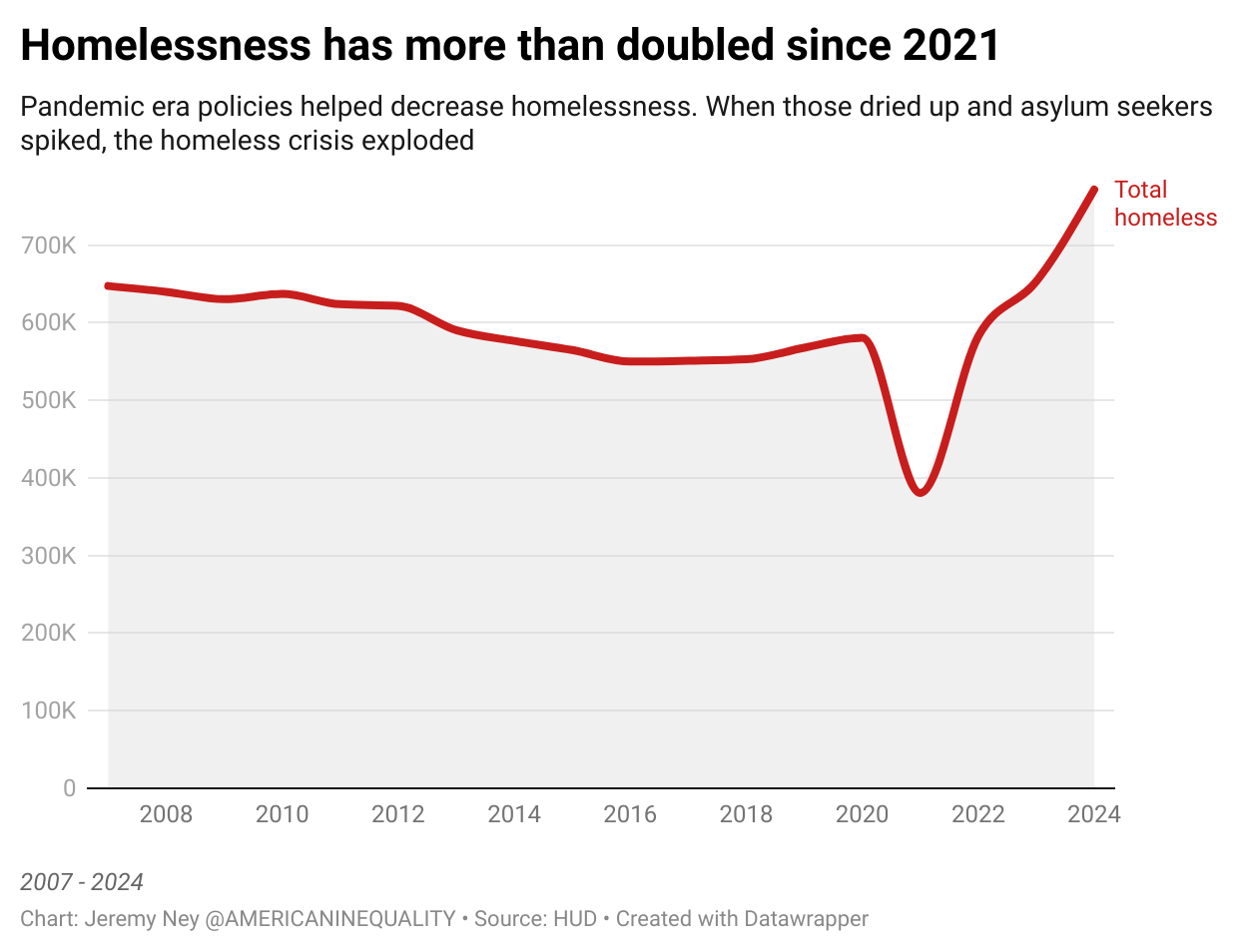
Homelessness hits all-time high, doubles from 2021770,000 people were homeless in America in 2024. That is a whopping 18% increase from 2023, the largest percentage increase since 2007
Listen to the podcast version of this article recorded with NotebookLM. Share the newsletter with a friend. Get behind-the-scenes updates on the book I’m writing. Homelessness is the highest it has ever been in America. The Department of Housing and Urban Development (HUD) just released its report showing that more than 770,000 people were homeless in America in 2024. That is a whopping 18% increase from 2023, the largest percentage increase since 2007. These numbers likely drastically understate the severity of the issue — I should know, because I helped collect these numbers myself for NYC. Worst of all, homelessness has more than doubled since 2021. The two primary drivers of the increase are a soaring number of migrants seeking asylum, coupled with rising rents that have far outpaced wages. As pandemic-era programs like rent freezes and cash assistance dried up, people were evicted and left out in the street. Migration is the leading cause of rising homelessnessThe HUD report specifically called out migration as a key driver of the rise in homelessness over the past year. “The rise in overall homelessness was a result of the work to shelter a rising number of asylum seekers coming into communities… Migration has a particularly notable impact on family homelessness, which rose 39% from 2023-24.” One of the key indicators that migration has been part of the rise is that the number of Latinos experiencing homelessness grew by almost a third, nearly twice the national rate.
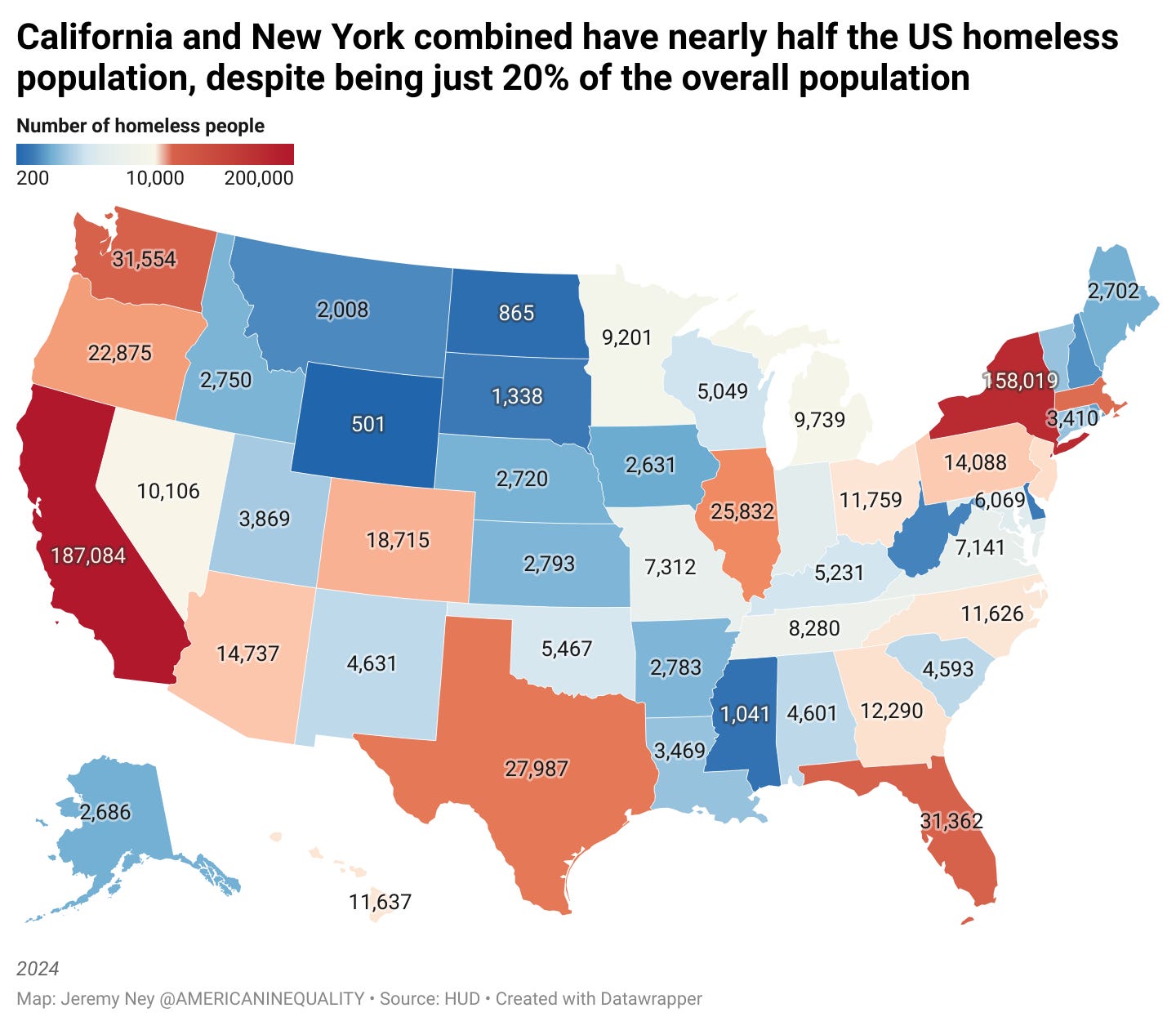
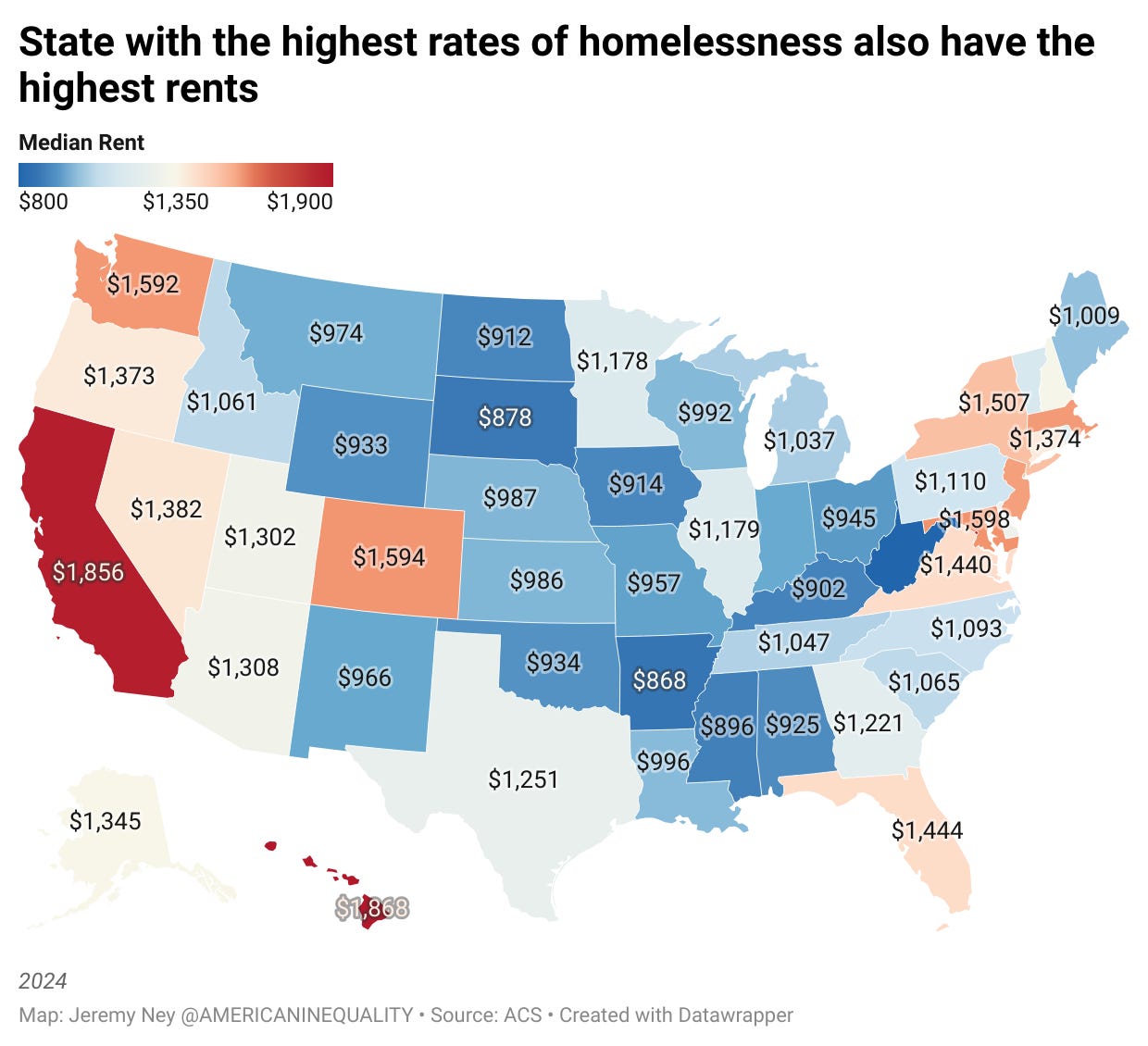
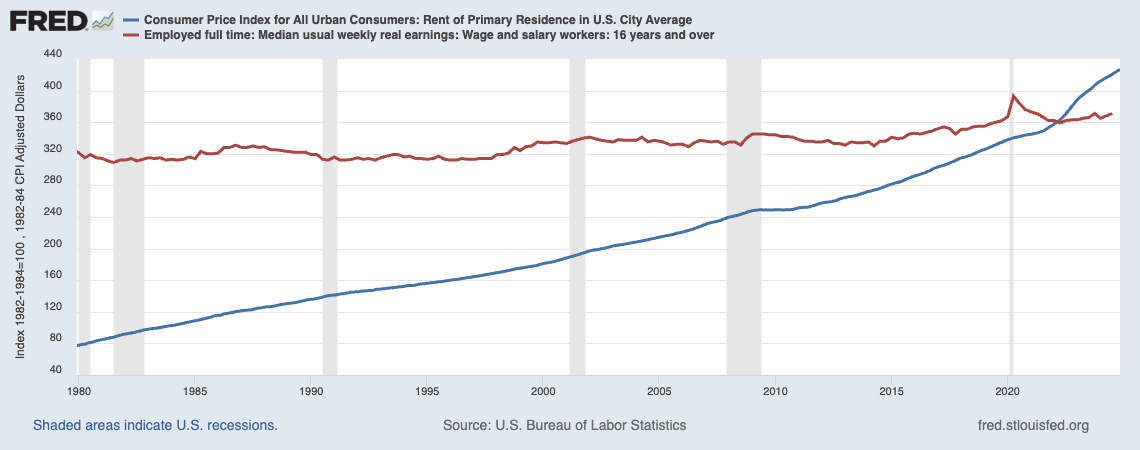
Since the report came out, some officials have pushed back saying that the data doesn’t reflect the Biden Administration’s mid-year push to reduce border crossings, which decreased unlawful crossings by 60%. On the positive side, homelessness among veterans has dropped to the lowest numbers ever recorded. The number fell 8% to 32,882 homeless vets in 2024. Veterans were the only group that HUD tracks which saw a decline in homelessness. Illinois saw the largest year-over-year increase of any state at 116%. Much of this was driven by a 207% increase in homelessness in the city of Chicago, a city both struggling with a flood of migrants and expensive housing. In 2023 and 2024, Texas governor Greg Abbot sent thousands of migrants to Chicago. Homelessness in New York and Massachusetts both increased 53% from 2023. Both states have had massive increases in migrants, skyrocketing rental prices, and stagnant wages. Homelessness in Hawaii also increased 87%, largely due to the devastation of the Maui fires. Rising rents, flat wagesRents have far outpaced wages across America and the housing supply has not kept up. Economists estimate that the US is currently short 4 million homes for what we would need to house every person and keep prices at a reasonable level. Construction for new homes is chugging along at a glacial pace as zoning laws, the high cost of labor and materials, and regulatory restrictions have stymied many housing-first efforts. In places like New York City, a 5% increase in rent has been found to increase homelessness by an additional 3,000 residents. More than a third of people experiencing homelessness — 274,000 — sleep in cars, encampments and tents under bridges. Sleeping outside of shelters is dangerous because it increases both the risk of violence and of illness. In the chart below, the red line shows the median wage for full-time workers versus rental costs indexed in the early 1980s. This shows that over the last 4 decades, wages have remained relatively flat while rental prices have steadily increased. As long as the red line stayed above the blue line, costs were manageable. But in 2021, not only does the blue line for rental costs jump above the red line for wages, the slope of the line also increases.
“The number of extremely affordable rental units has plummeted in recent years, and this ties back into a housing shortage. Where does that housing shortage squeeze the most? It's going to squeeze the most at the very bottom of the property ladder. Landlords who previously offered very affordable units have seen a great deal of demand for those units. They're able to raise the rents. And so we've seen a lot of people fall off the bottom of the rental market, and that's led to a ton of pressure, especially in expensive markets, and I think in many ways the diagnosis is quite clear that we have this supply-and-demand imbalance,” economist Ben Keys explains. Seeing the crisis firsthand
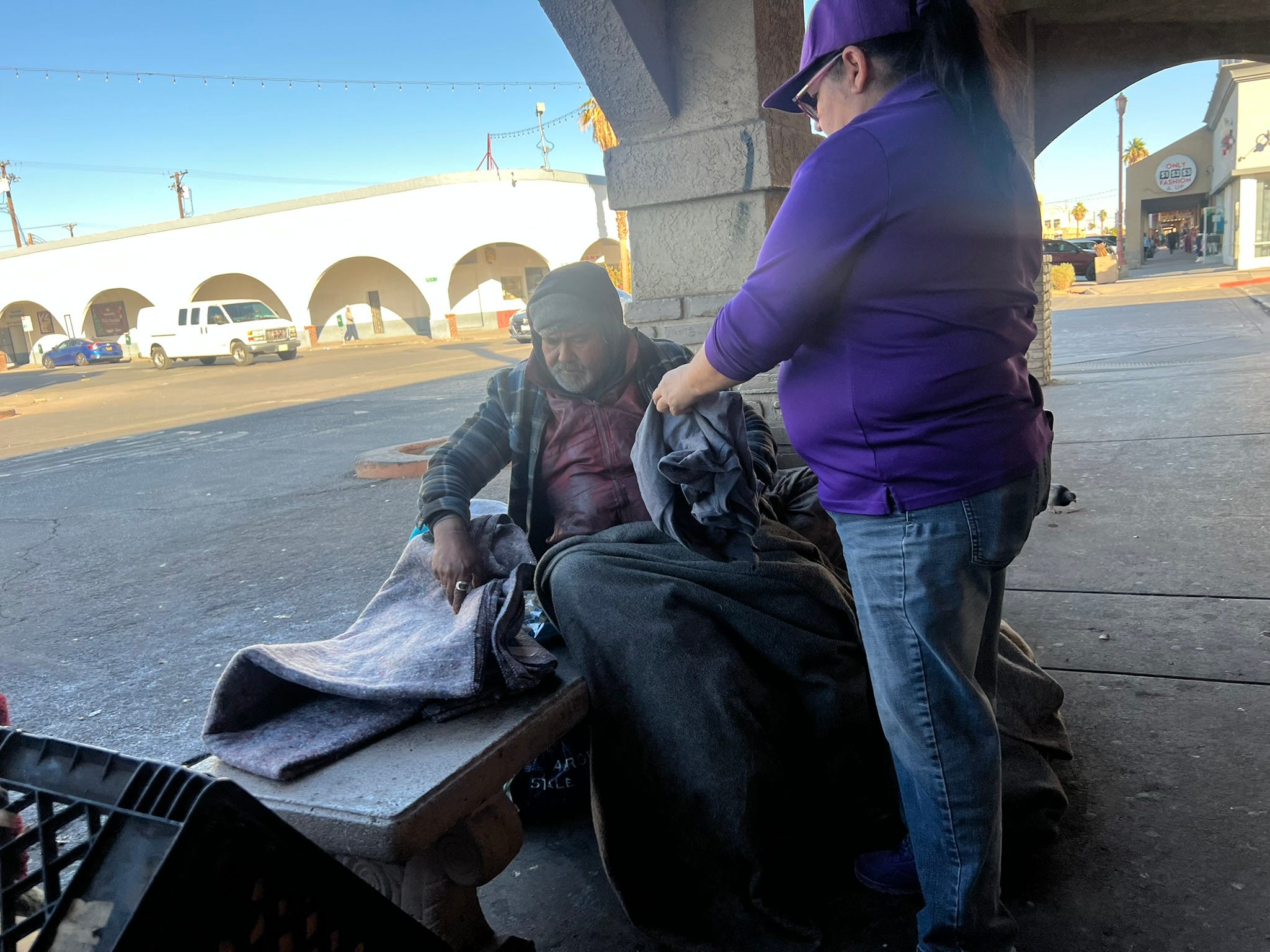
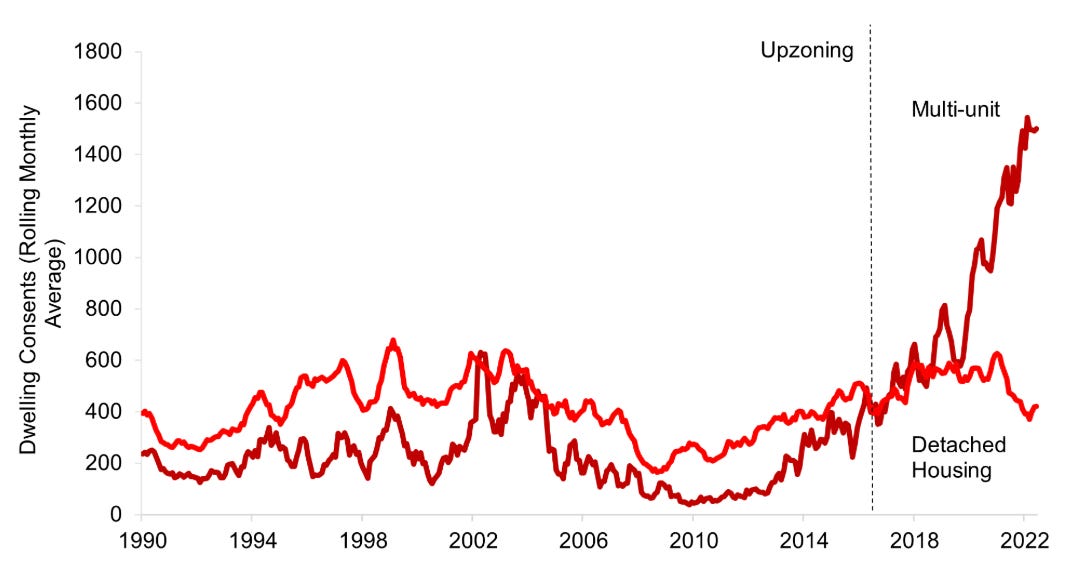
I just had the chance to drive around in southern California with a nonprofit as we delivered blankets, jackets, and food to homeless people near the US border. Many of the people were struggling with mental health issues, addiction, alcoholism, but others had just fallen on hard times and were laid off from jobs. While some of the people there were newly homeless, many had been living on the streets for years. I spoke with one man named George who had been living on the street near a bus bench for almost a decade. He graciously accepted the blanket, though we later saw that another homeless man had stolen it from him. The temperatures in this area swing from 100 degrees during the day to 20 degree at night. I knew George had made it this long surviving out in the cold nights, but with more and more homeless people around him, the resources were dwindling, the challenges were growing, and the societal pressures were mounting. Back in New York City last January, I helped collect the numbers as a volunteer for the point-in-time (PIT) count that now show we have more than 770,000 homeless people in America. As I wrote about back then, the PIT likely drastically undercounts the homeless population in America. For example, the NYC Department of Education estimates that there are 119,300 homeless students in New York City; whereas HUD estimates that there are 103,200 homeless people in the entire state of New York. The math doesn’t add up. The Path ForwardThe #1 solution for America’s homeless problem is to build more housing. Immigration is an essential part of America’s growth, innovation, and moral values. Stopping the supply of people is not nearly as important as increasing the supply of housing. While it is easy to say ‘build more housing’, here are some specific ways to make that happen:
INTERESTING ON THE WEBYou’re on the free list for American Inequality. Thanks so much for being part of our community! Please share with others and don’t forget to subscribe. Most sincerely, Jeremy
|





Комментариев нет:
Отправить комментарий
Примечание. Отправлять комментарии могут только участники этого блога.