AI Skilling: A Race Against TimeWith 20-24 million young Indians entering the workforce annually, AI-driven skilling is critical. Skill development minister Jayant Chaudhary acknowledged the gap. "We train 2.5 to 3 million in long-term programs, but it's still not enough," Chaudhary said. India is pushing for tech-driven workforce training, using both government and private sector efforts. AI-led upskilling is being prioritised as corporations sponsor GenAI training programs. The challenge, however, is making these programs accessible and effective at scale. Former RBI governor Raghuram Rajan warned that adaptability is key: "The most effective way of ensuring that people have jobs is to make them have adaptable human capital...In a world where we don't know what the technology will be, that seems the safest thing to do." The focus is shifting toward AI literacy across industries, which ensures that workers aren't just consumers of AI but active contributors to its development. Before we dive into where India stands in the global AI race, let's look at some of the top stories of the week: - Why Wingify's $200 Million Exit is Different: Delhi-based SaaS startup Wingify was recently acquired by Everstone for $200 million (₹1,600 crore), injecting foreign capital into India. But unlike many founders who move overseas post-exit, Paras Chopra is staying put. "This deal brought forex into India, and I contributed tax to the country. No reason for bitterness," he said. Read the full story here.
- Tech companies are redefining workplace culture by integrating family into professional milestones, and Tredence is leading the way with 'Anubhav' – a unique onboarding ceremony that welcomes not just employees but their families as well. With AI and data poised to become a $100 billion industry, Tredence's 15% quarterly growth signals a promising future for new graduates, reinforcing that workplace success is a shared journey. Read the full story here.
- Despite the global AI race intensifying with projects like the US' $500 billion Stargate and China's DeepSeek, Indian IT firms remain focused on AI as a service rather than foundational models. While companies like TCS, Infosys, and Wipro develop agentic AI and small language models, their efforts are client-driven and not aimed at creating transformative AI like ChatGPT or Gemini. But why? Read to find out.
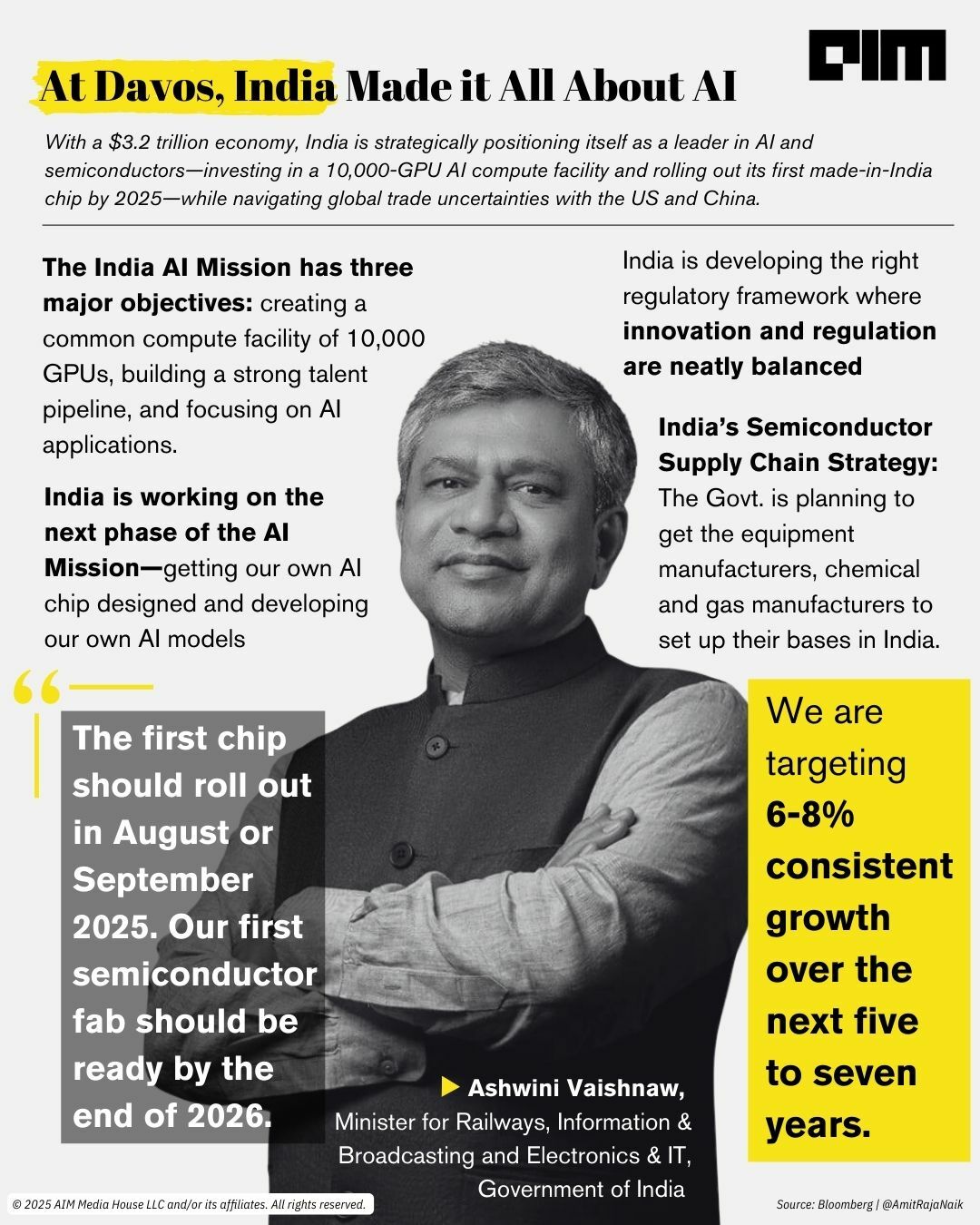
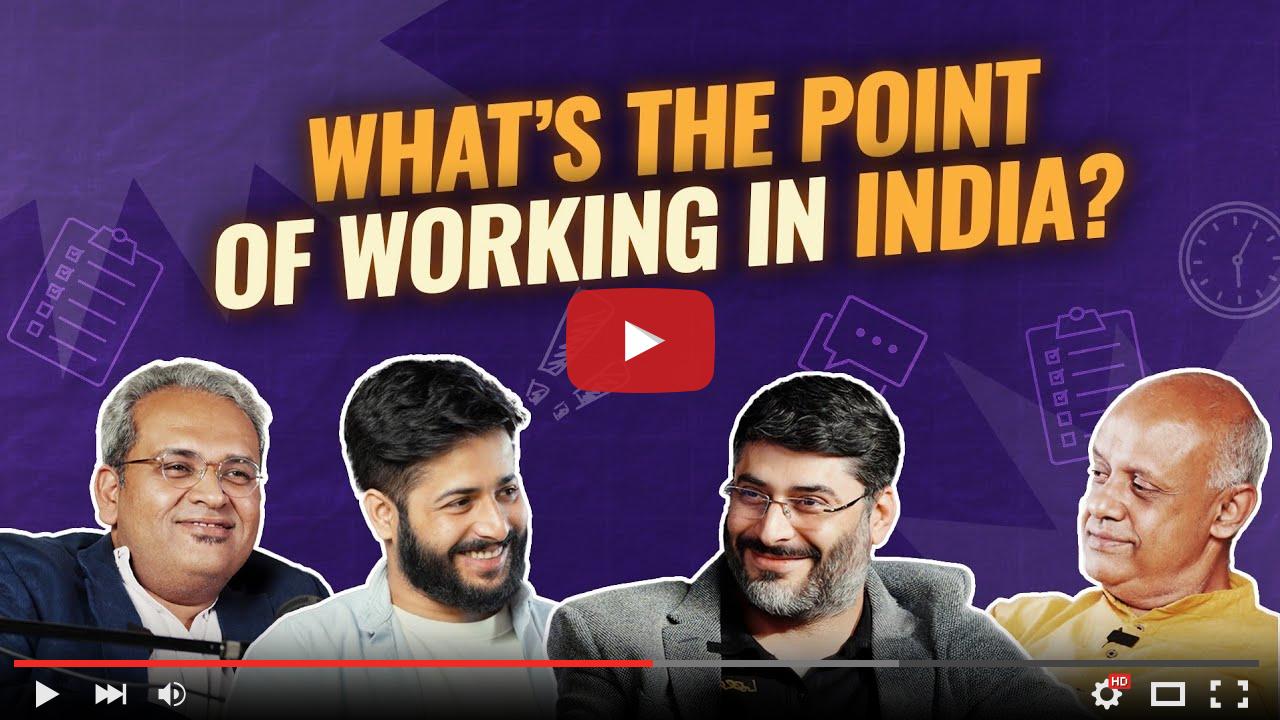
India vs The World: Where Do We Stand?The global AI race is intensifying. The US, China, and Europe are investing heavily in AI R&D, regulatory frameworks, and computing infrastructure. India, while making strides, still faces hurdles in hardware, foundational AI research, and high-performance computing access. Vaishnaw, however, remains optimistic. "When people look at India from the outside, they see Sundar Pichai or Satya Nadella. But India's success in AI needs to scale beyond individuals; we need to build systems that empower millions." Startups are playing a crucial role, with India emerging as the world's third-largest startup ecosystem. Investors like Peak XV's Mohit Bhatnagar highlighted the country's rapid evolution: "In 2011, we had one company valued at over $2 billion. Today, we have about 110." However, challenges remain. AI startups struggle with funding, compute resources, and regulatory clarity. While India excels in software talent, the absence of homegrown AI chip manufacturing and deep-tech investment could slow its progress. While leaders and policymakers globally debate India's AI game plan, we got straight to the point—literally. In this episode of 'What's the Point?', we unpack what AI for Bharat really means. Is AI ready for India's linguistic chaos? Should every Indian have a personal AI agent? And why does Class 8 CBSE's AI syllabus feel tougher than most pro courses? Catch the full conversation here. |





Комментариев нет:
Отправить комментарий
Примечание. Отправлять комментарии могут только участники этого блога.