The Next Cancer Catastrophe is PoliticalCancer is on the rise for young people, but threats will soon skyrocket
Trump is retreating in the war on cancer. He has cut nearly $1 billion in cancer research and although 40% of Americans will get a cancer diagnosis at some point in their lives, his administration has shown no commitment to fighting the deadly disease. In the mid-1970s, America’s five-year cancer survival rate sat at 49%; today, it is 68%. Every $326 that the government invests in cancer research extends a human life by one year. With such overwhelming threats underway, we wanted to revisit the inequalities of cancer for this next issue of The Dividing Line. Cancer is the 2nd leading cause of death in the United States. According to the American Cancer Society, approximately 611,720 people in 2024 died from cancer in the US. While cancer remains a leading cause of death, mortality has fallen by nearly a third since its peak in the 1990s as medical breakthroughs have given years back to people’s lives. But even with these improvements, there are still major factors that impact cancer mortality disproportionately across the country including income, education, healthcare access, and geography. Funding for cancer research is under attack, and these inequitable outcomes will become even more severe as cancer research sits with its largest momentum ever. These visuals are all interactive and available with more information at this link!
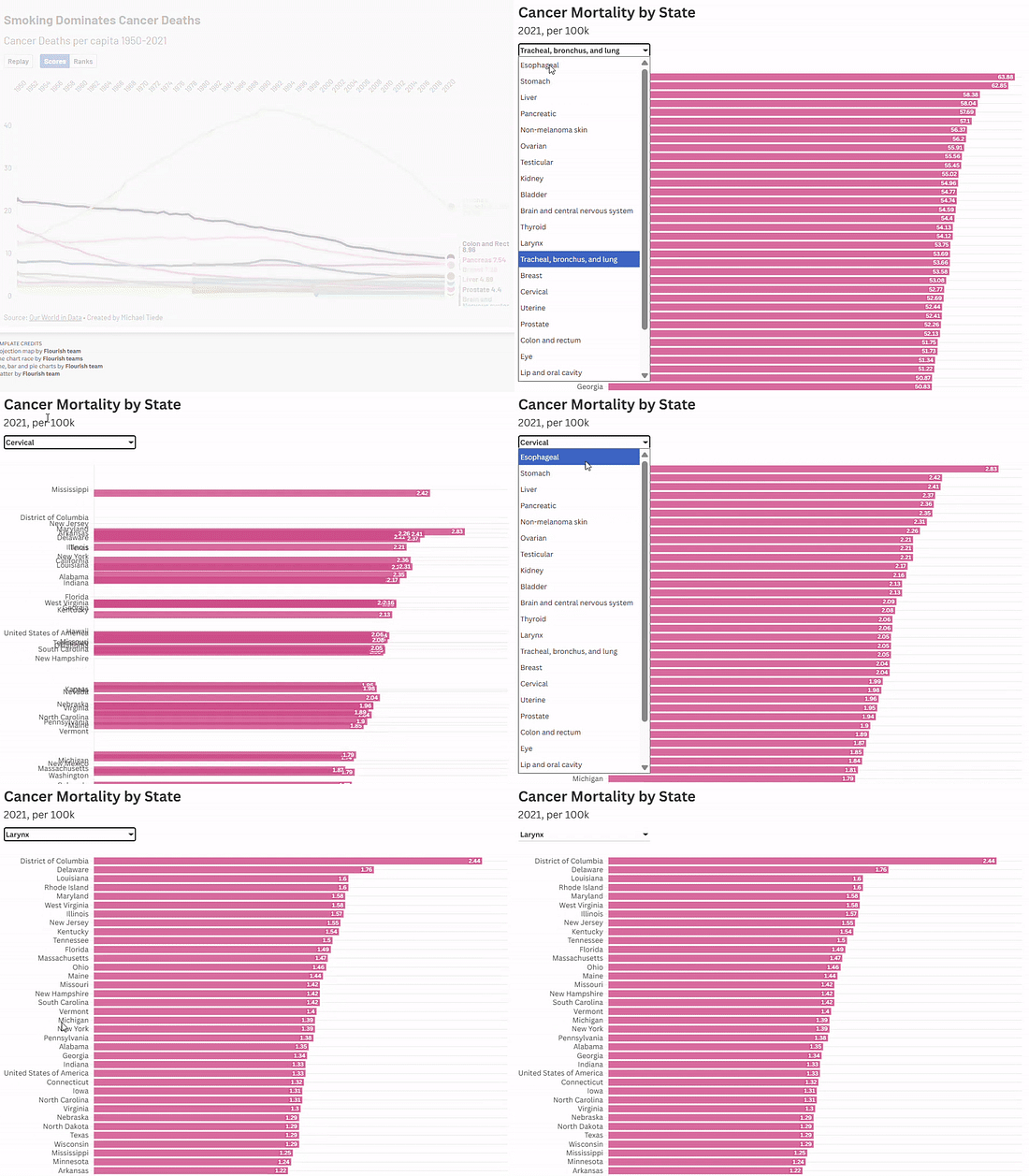
The death rate from cancer has been declining steadily since the 1950s. While lung cancer is an outlier and peaked in the 1990s, at 44 deaths per every 100,000, it too has fallen 52% since that time. However, lung cancer still kills 21 people per 100,000 in large part due to high smoking rates in certain parts of the US and a healthcare system that cannot provide the necessary treatments.
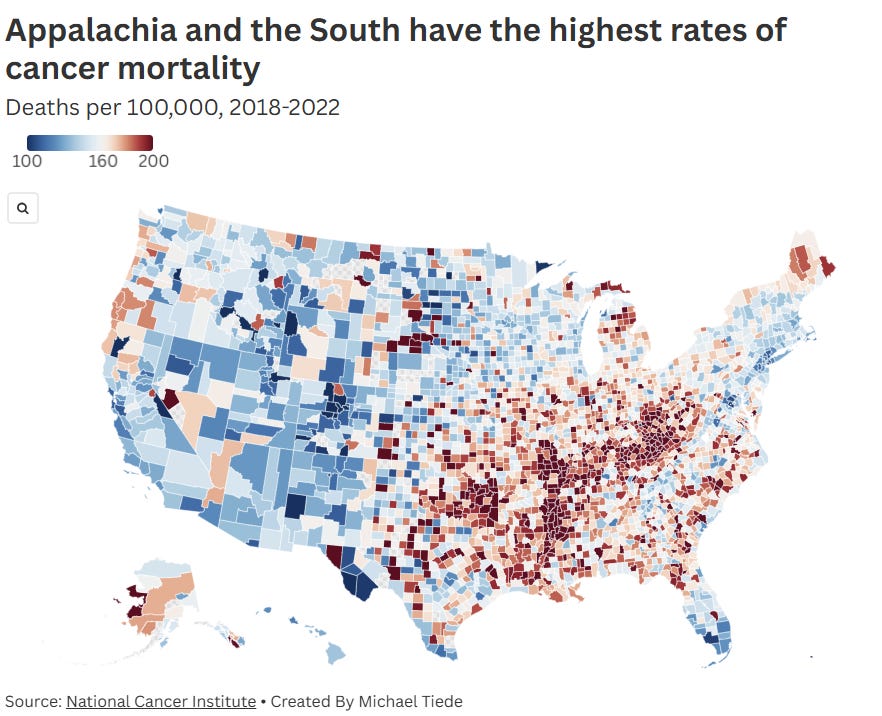
Even though national trends show improvement, not every region has benefited equally. The states with the worst rates of death from cancer are in Appalachia and the South. Mississippi (180 per 100k), Kentucky (179 per 100k), and West Virginia (178 per 100k) have the highest cancer deaths in the country (national average 146 per 100k), and lung cancer rates are around 50% higher than the national average.
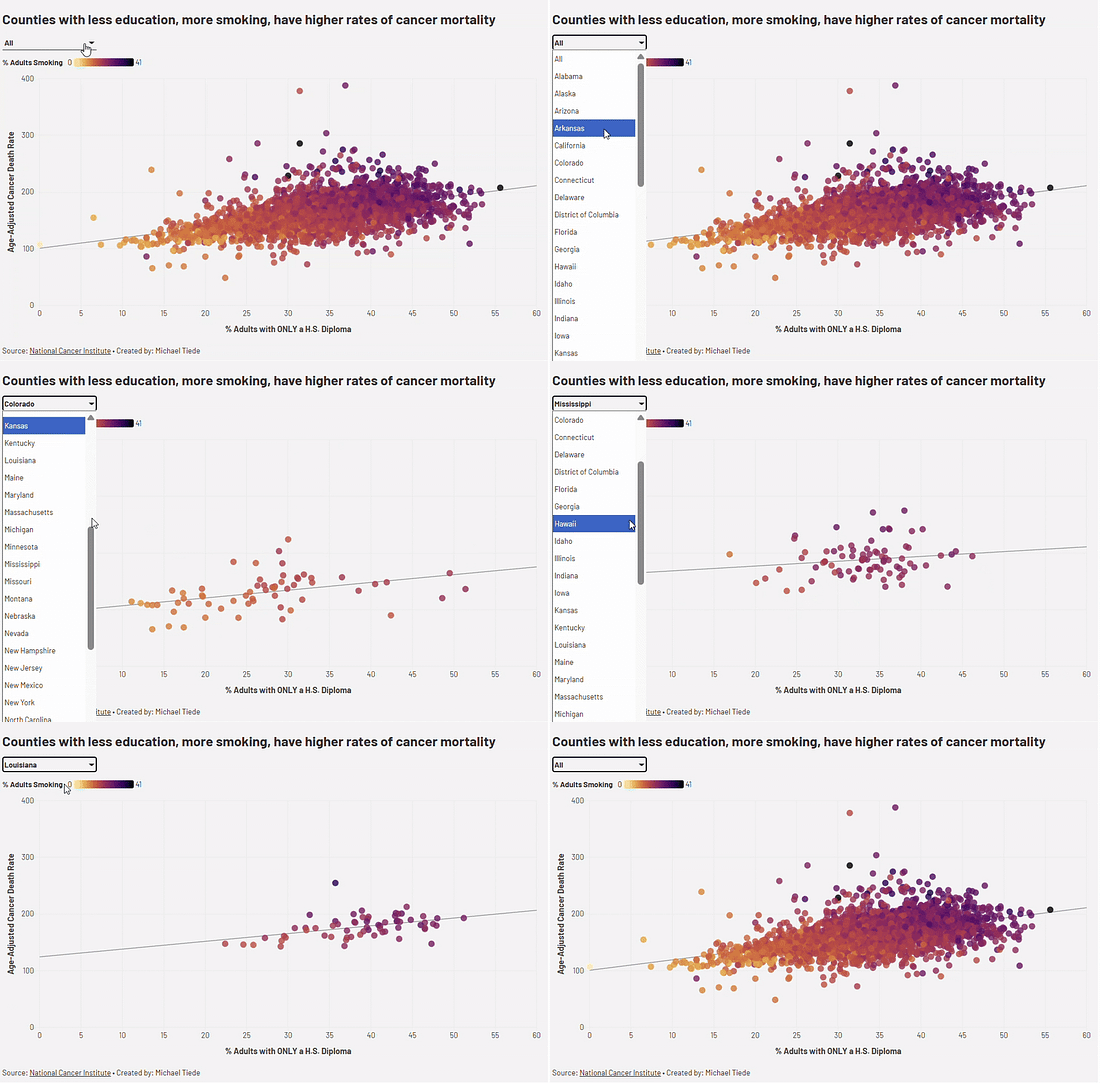
When examining why certain states are hit harder than others, lifestyle and education play a big role. Areas with the worst cancer mortality rates also have very high rates of smoking and lower levels of education attained. While the mechanisms driving this relationship are not clear, educational attainment is a well known factor in social determinants of health. Better education leads to healthier social environments with healthier lifestyles.
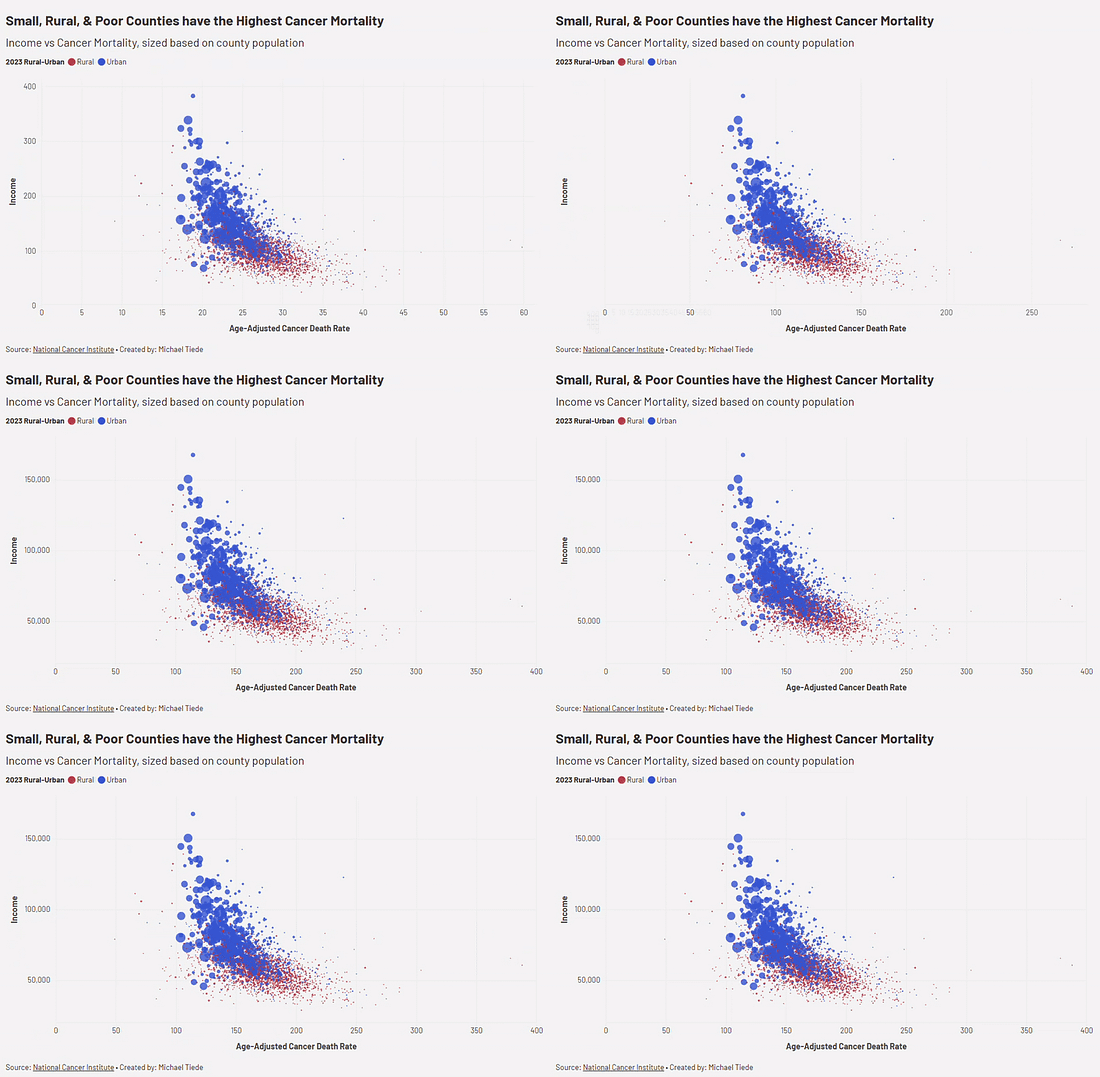
Income also plays a major factor in the inequalities of care for patients. Generally those who are poorer and live in rural areas have higher rates of cancer deaths. Not being able to afford treatment and limited access to hospitals or clinics all impact the ability to help those who need care. According to OECD research, the US has fewer physicians relative to the population as a whole compared to other OECD nations, and these gaps in care are seen primarily in rural and poor communities. It’s true that wealthy people receive better care almost everywhere in the world, but the US has the largest extremes in healthcare outcomes of any developed nation.
Certain types of cancer are more common depending on your age. Brain, blood/bone, and leukemia are the most common for children. Around the age of 20 other cancers start to increase including breast, colorectal, and cervical cancer. Lung cancer becomes the most common around 50 years old, along with breast, pancreatic and prostate/bladder cancer later in life.
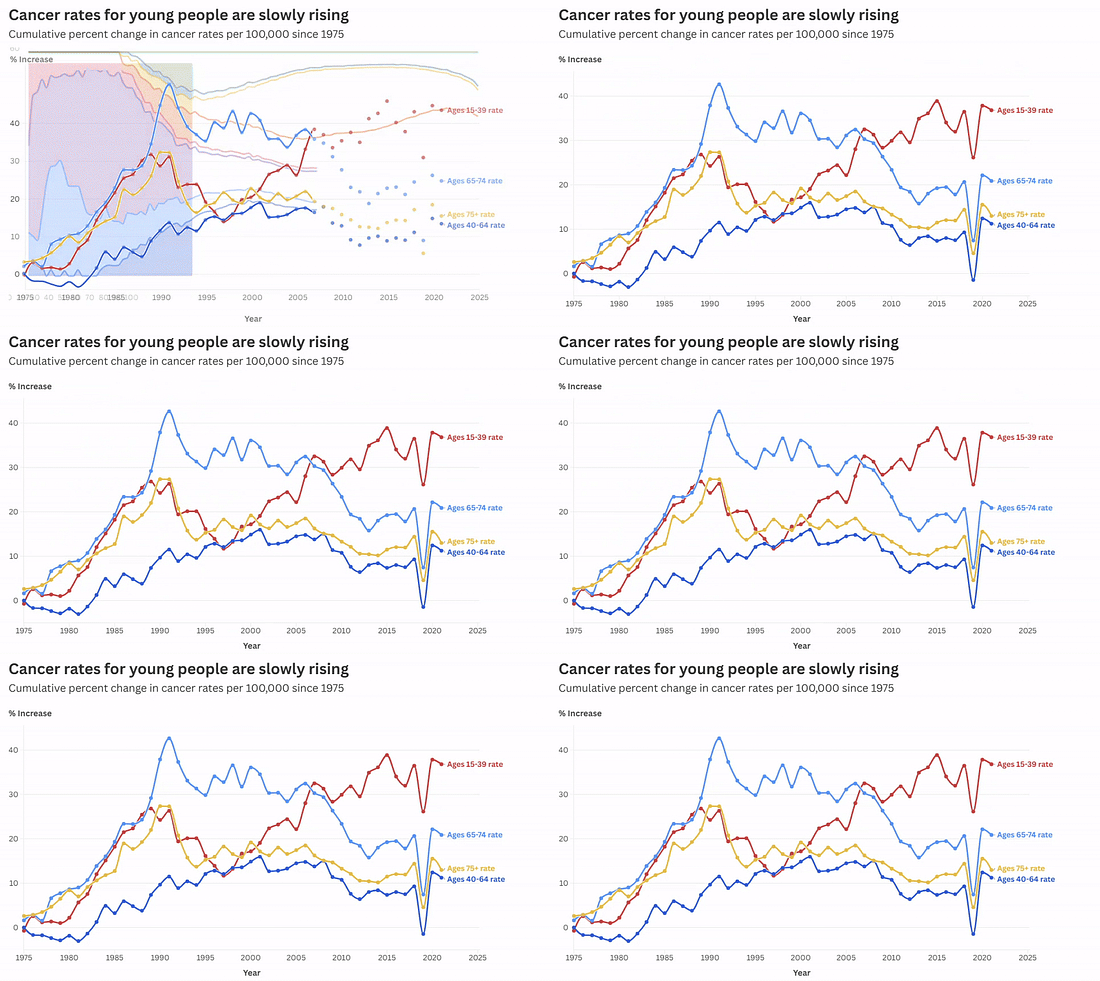
And while treatments have improved, the age distribution of new cases is shifting in concerning ways. Diagnoses in young adults 15-39 have risen 36.7% since 1975, almost double any other age group. While there is no clear reason for this increase, certain factors may include chronic inflammation, eating ultra-processed foods, medications taken during pregnancy, environmental chemicals, and increasing inequities in healthcare across the country.
Certain cancers are more common also depending on the country you reside in. Australia for example, has the highest rates of skin cancer in the world. 2 out 3 Australians develop skin cancer due to individuals with light skin and high UV exposure.
Closing thoughtsIn a country that has some of the best medical systems in the world, we should be doing better at taking care of the most vulnerable around us. Cancer compared to other diseases actually has better resources for early identification and treatment than other chronic diseases, but there are still major inequities in cancer outcomes. These visuals don’t necessarily highlight the issue of cancer treatment but rather the issue of social barriers to that treatment. We have the resources to save MORE lives than we already do, and can do that by investing in more affordable care, better education, and broader health resources to all communities. Ongoing political attacks on cancer research funding threaten to slow progress just when it’s needed most, undermining the possibility of breakthroughs and putting even more lives at risk. 5 Great Organizations to Connect with!
You’re on the free list for American Inequality. Thanks so much for being part of our community! Please share with others and don’t forget to subscribe. Most sincerely, Jeremy
|







Комментариев нет:
Отправить комментарий
Примечание. Отправлять комментарии могут только участники этого блога.