A startup founder, an investor, and an enterprise leader walked into a room. At most conferences, that might sound like the start of a joke. At Happy Llama 2026, it was just another conversation happening in the hallway. |
|
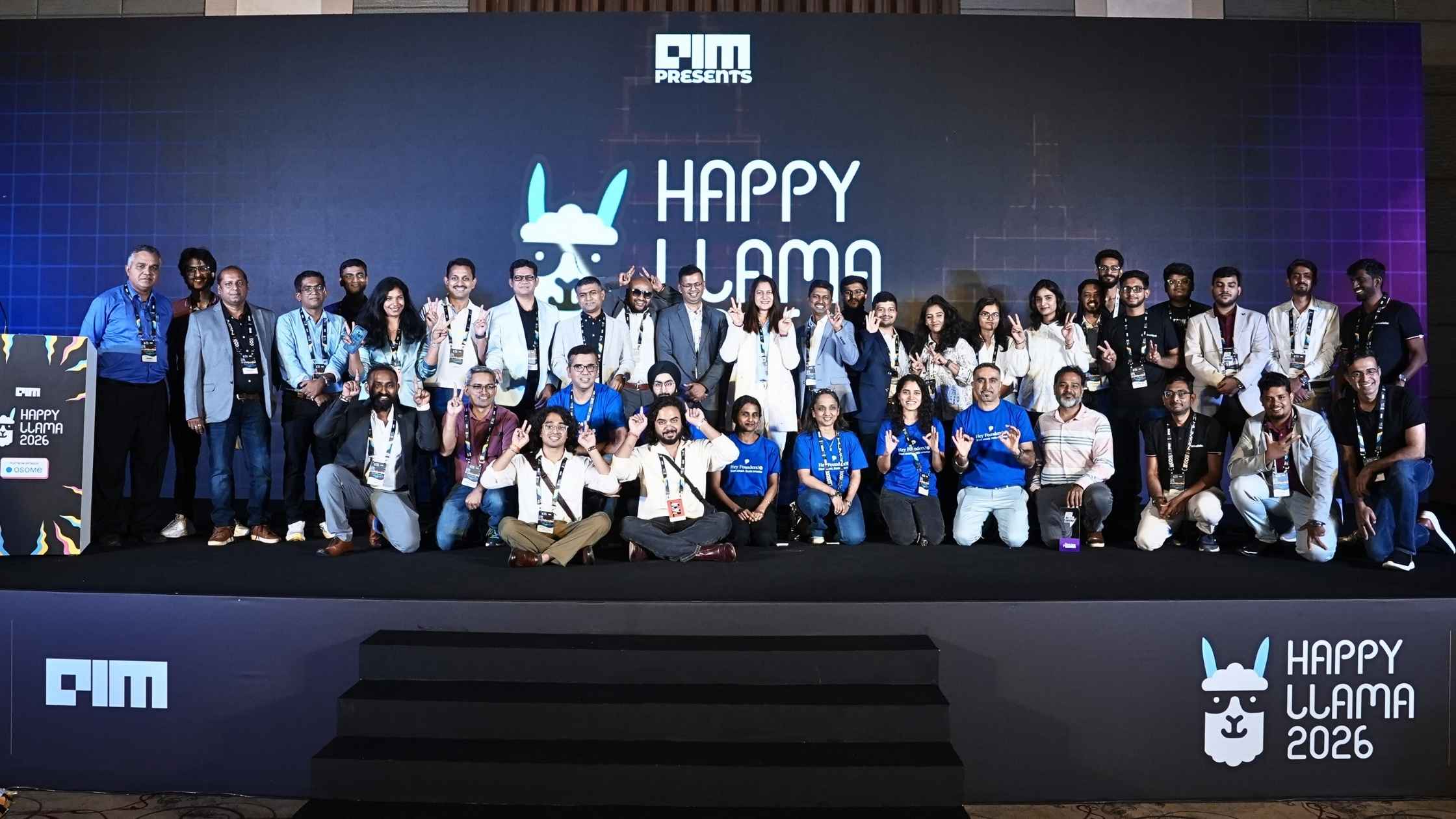
Happy Llama 2026 wrapped up last week after a full day of conversations, demos, and startup energy. The event brought together 100+ startup founders, operators, investors, and engineers to discuss what the next phase of AI startups could look like from India. Across talks, panels, and the crowded Llama Battleground, one theme kept resurfacing: the Indian AI ecosystem is moving from experimentation to execution. Startup builders were no longer just showing prototypes or pitching ideas; they were talking about distribution, reliability, infrastructure, and real customers. |
|
|
|---|
|
The Conversations That Started the Day The day began with Nikhil Shembekar from Brigade Group, who opened the event with a grounded look at India's startup ecosystem. Instead of broad optimism, his talk focused on how founders are actually navigating the current environment in practical terms. Soon after, a panel on 'Becoming an AI-Proof Leader' brought together leaders from Jio Hotstar, Ford, Albertsons India, and Siemens Technology and Services. The discussion revolved around a challenge many companies now face. AI is transforming how products are built and decisions are made, but leadership inside large organisations is still adapting to that shift. Another session that drew attention came from Tanmay Desai, Chief Product Officer at Blue Machines AI. His talk on voice AI deployment went beyond demos and focused on what really breaks when these systems are deployed in production environments. The Capital Behind the AI Boom While the morning sessions focused on building AI systems, the next panel turned the conversation to capital. Investors from Kalaari Capital, Exfinity Ventures, Bharat Innovation Fund, and Together Fund discussed how infrastructure companies continue to attract strong investor attention. Developer tools that simplify the building of AI applications are also gaining traction. But the panel repeatedly returned to one insight: the most exciting companies are those that combine strong technical foundations with a deep understanding of a specific industry. One of the most anticipated talks came from Nikhil Mittal, CTO of Zepto. His session explored what it takes to maintain a 'Day 1 mindset' even when a company grows to a massive scale. The discussion resonated well with many AI founders in the room who are currently navigating the earliest stages of their startups. Rohit Agarwal from Portkey AI followed with a look at the infrastructure layer being built for AI applications. His talk on building a "Trillion-Scale AI Gateway" reflected a broader trend across the ecosystem. As more companies integrate AI models into their products, the infrastructure needed to manage those systems is becoming a business opportunity in itself. |
|
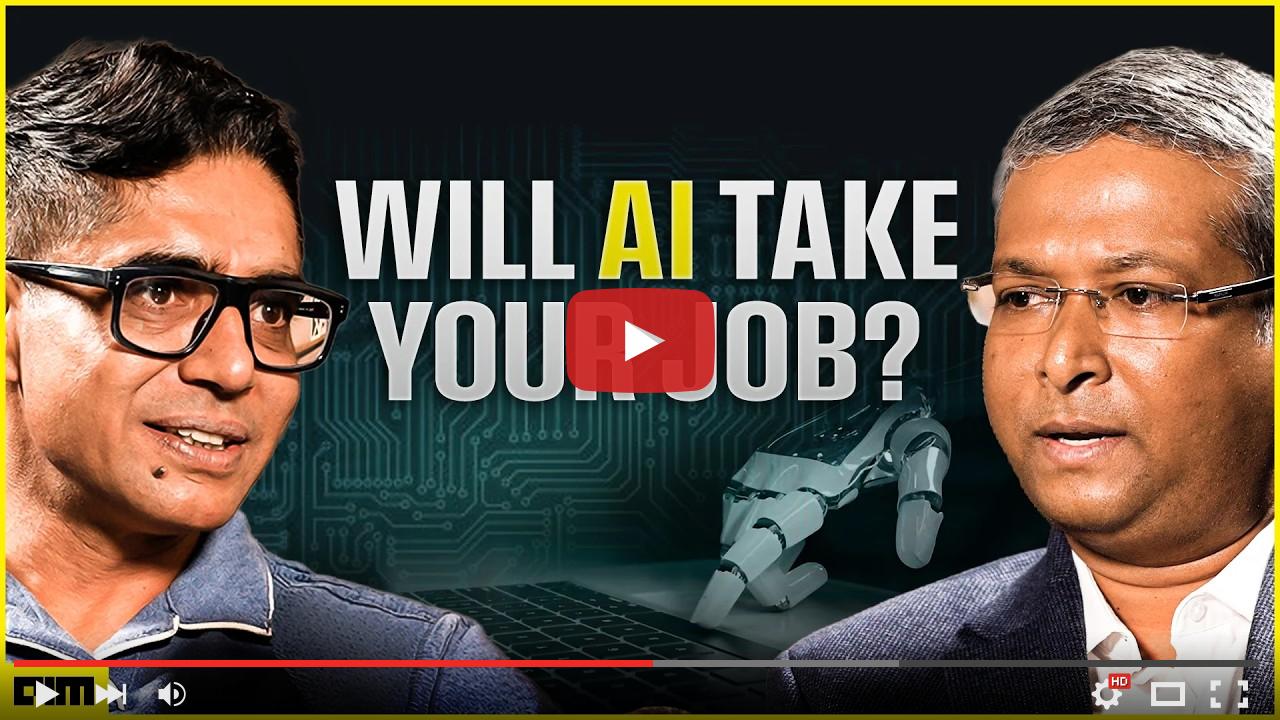
AI at Work: What's Really Changing (and What Isn't) Ft. Abhisek Halder, ZS >> In this episode of Simulated Reality, we ask the big question: AI at Work: What's Really Changing (and What Isn't). Abhisek Halder from ZS, Office Managing Principal, Bengaluru and leader of ZS's AI and GenAI hub, breaks down how AI is really changing work inside a global consulting firm. |
|
AIM has spent years bringing the AI community together through Cypher, MLDS, MachineCon, research, and communities. We are now launching something new: the AIM Chess League. India's largest chess tournament for AI and tech professionals. One lakh players. Months of competition. The final battle at Cypher 2026. Click here to find out more. |
|
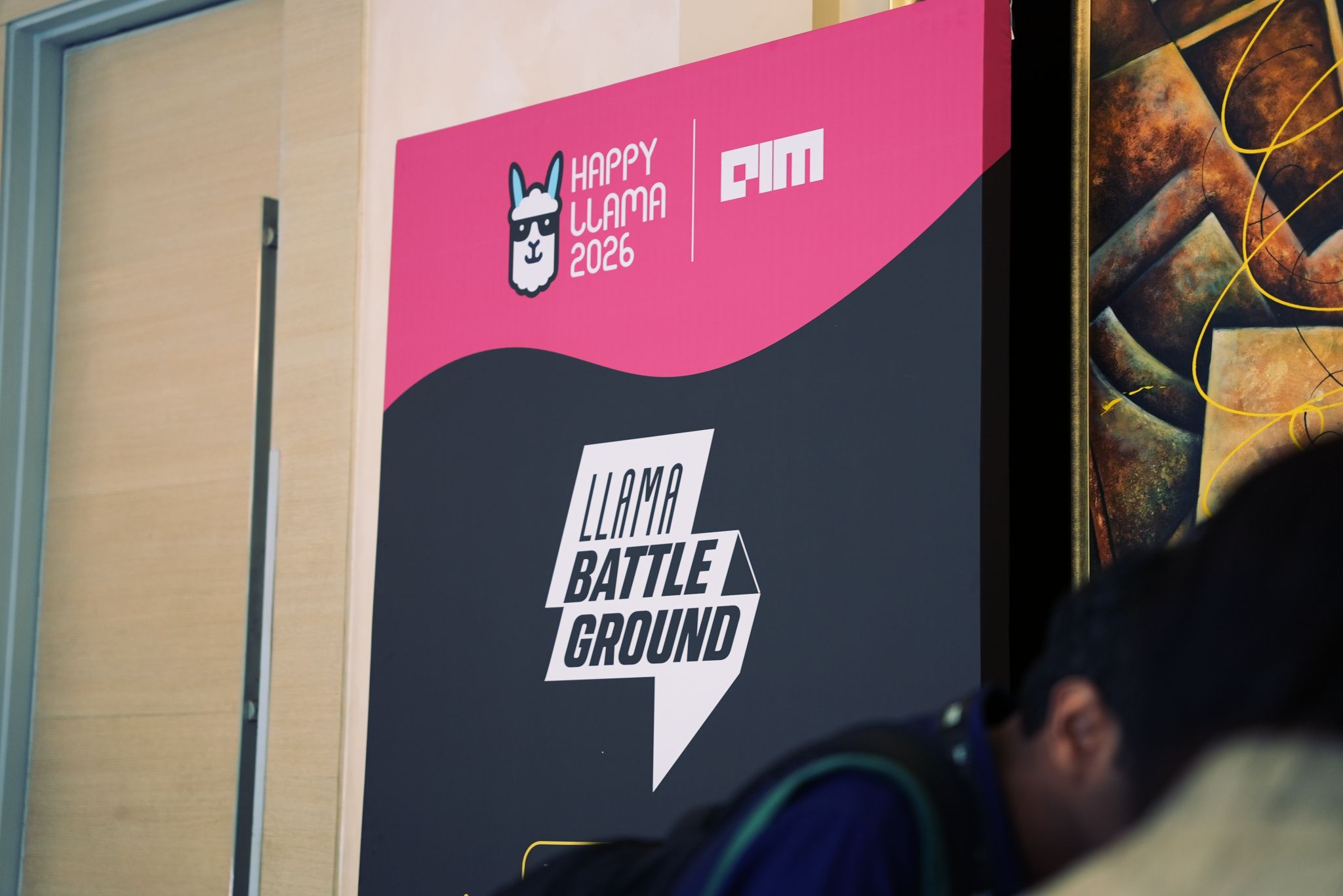
Designing AI for India Later in the afternoon, the conversation turned to one of the hardest challenges in AI: building systems that work for India. A panel featuring founders from SigTuple, MeshDefend AI, Shodh AI, and Fynd explored how AI must adapt to India's linguistic, cultural, and economic diversity. For founders building in India, this complexity presents both a challenge and an advantage. Another discussion that resonated with many founders focused on go-to-market strategy. The panel titled 'The Hidden GTM Stack of World-Class AI Startups' brought together leaders from Ai Palette, Stellaris Venture Partners, Rocket Ventures, and Razorpay Ventures. The panel explored how companies are experimenting with new approaches to distribution, partnerships, and developer ecosystems. The conclusion was clear: building AI is no longer the hardest part; finding repeatable revenue is. Leaders from Fiserv, Plivo, Johnson Controls, and DLL also discussed how startups can cross the gap from early traction to enterprise scale. Enterprise buyers are increasingly open to adopting AI systems. But they still expect reliability, compliance, and seamless integration with existing systems. For many startups, reaching that level requires a shift in how products are designed and supported. The final session of the evening introduced an idea that captured the mood of the event—'UPI for AI'. The talk between Saharsh Sharma, Vice President at Chiratae, and Gaurav Baid, Co-Founder at Avataar, explored what a sovereign protocol layer for trusted AI agent interactions might look like. The Llama Battleground Running alongside the sessions was one of the most energetic parts of the event: The Llama Battleground. More than 100 early-stage AI startups participated, making it one of the largest showcases of emerging AI companies from India. The format was simple but intense. |
|
Founders stepped onto the stage and pitched their companies to a room filled with investors, operators, and industry leaders. Each team had a limited window to explain what they were building, why it mattered, and how their technology could scale. The battleground became a space where founders received direct feedback from investors, discussed product ideas with operators, and connected with other builders navigating similar challenges. The participating startups covered a wide range of ideas. Some were building developer infrastructure for AI applications. Others focused on enterprise automation, vertical AI systems, healthcare, finance, or cybersecurity. The diversity of ideas reflected how broad the AI opportunity has become. At the end of the conference, three winners were announced: Navana.ai, for AI for the Growth Breakthrough Award, Accure Inc, for AI Innovation Excellence, and Niti AI for the Enterprise AI Impact Award. For many founders, the battleground was their first opportunity to present their work to a large ecosystem audience. For investors, it offered a glimpse into the next wave of companies emerging from India's AI ecosystem. Many of the ideas discussed at Happy Llama 2026 are still early. Some will fail. Others will evolve into something completely different. But the ecosystem itself is clearly accelerating. India now has founders building AI infrastructure, vertical AI companies, developer platforms, and global products. Happy Llama 2026 may have signed off for the year. But the energy inside the rooms made one thing clear: the real battleground for AI startups is only beginning. 🦙 |
|
How Shrutlekh is Shaping the Future of Multilingual AI in India |
|
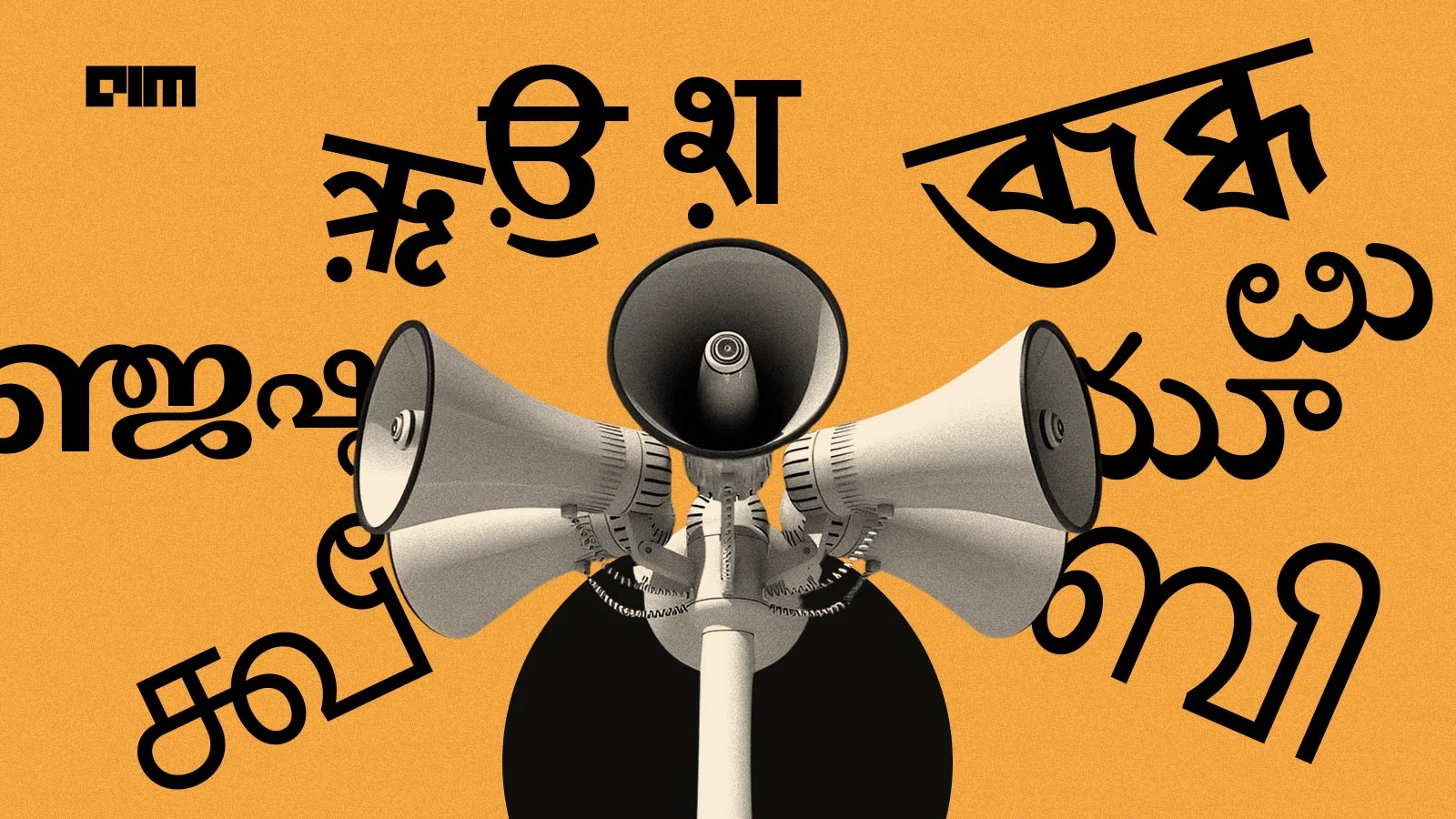
In a country where a single conversation can move across Hindi, English, Tamil, Bengali, Marathi, Malayalam, and multiple dialects, AI systems must understand and respond across languages in real time. Shrutlekh is being developed as part of this effort under the Digital India BHASHINI Division of the Digital India Corporation, Ministry of Electronics and Information Technology. Click here to read more about Shrutlekh. |
|
|
|---|
|
You received this email because you signed up to the updates from AIM. Click here to unsubscribe if you do not want to receive emails from us. |
|
|
|---|
|
|
|





Комментариев нет:
Отправить комментарий
Примечание. Отправлять комментарии могут только участники этого блога.