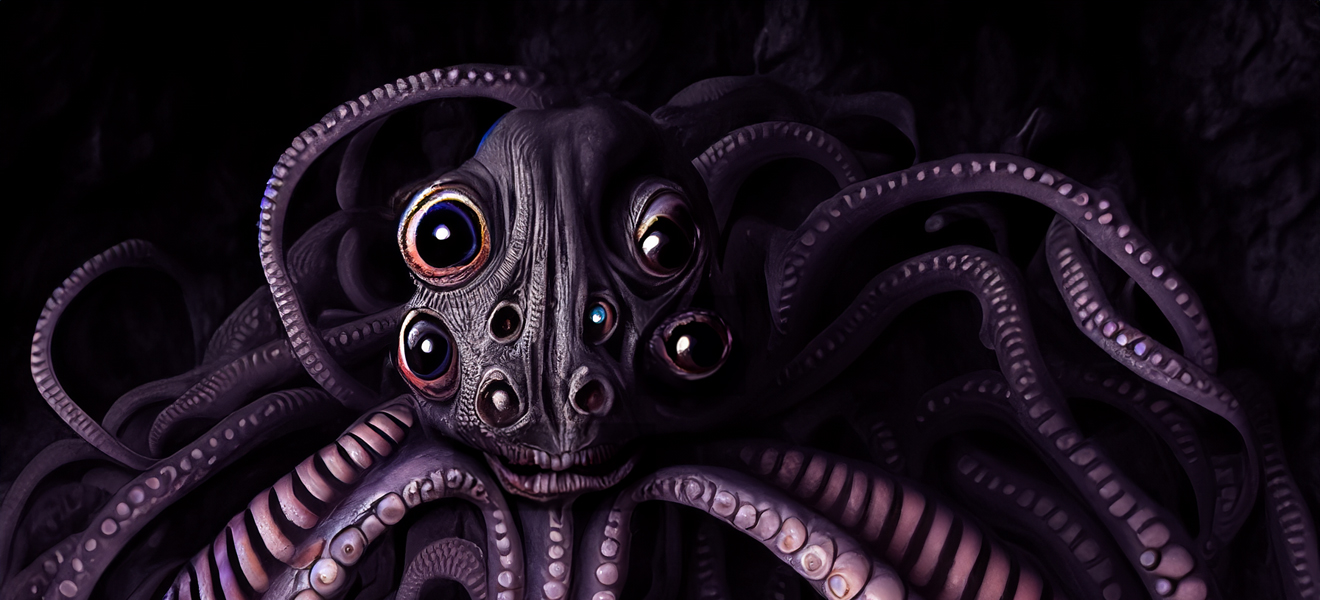
| | Don't celebrate a bill's passage. That's just the beginning. The passage of the Inflation Reduction Act (IRA) gave us one of our best shots at tackling climate change. But as Jen Pahlka writes in Time, while its passage seemed "herculean," implementation may prove the greater, if less dramatic, feat. The IRA is inspired by research that shows that we could solve half of our climate problem, and give us a fighting chance to keep global warming under 1.5 degrees, if we use modern machines powered by increasingly clean electricity. Households don't have to do it all at once—if each of us just made the electric choice when it's time to get a new hot water heater, stove, furnace, or car—and really, electric machines are better machines—we would buy the time we need to tackle other sectors of the economy and hopefully bring new carbon-focused inventions and technology to market. If we don't buy that time, we are headed for a climate collapse that will further wreck the planet for future generations.... ...But the success of a program starts with getting the incentives right—it doesn't end with them. If it's hard to take advantage of them—if the rules are confusing, if the website doesn't work, if you don't trust that you'll get the rebate, or if there's an alternative that's just quicker and easier—the most carefully crafted incentives will sit largely unused. "The IRA is our shot, and we'd better take it," she says. + Full disclosure: Jen is married to our founder, Tim O'Reilly. ICYMI: She's also the author of the just-released book Recoding America, which prescribes solutions to bureaucratic dysfunction. + Rewiring America's recommendations for overcoming barriers to the implementation of the IRA | | | | | We've seen this shoggoth before A common meme associated with AI is the "shoggoth," an octopus-like monster from At the Mountains of Madness, H.P. Lovecraft's 1931 horror novel. In this essay in the Economist (registration or subscription required), Henry Farrell and Cosma Shalizi argue that this AI shoggoth is nothing new. Organizations that have existed at least since the industrial revolution—the market system, corporations, states, bureaucracies—are also forms of artificial intelligence, they say. Markets and bureaucracies seem familiar, but they are actually enormous, impersonal, distributed systems of information-processing that transmute the seething chaos of our collective knowledge into useful simplifications.… Lovecraft's monsters live in our imaginations because they are fantastical shadows of the unliving systems that run on human beings and determine their lives. Markets and states can have enormous collective benefits, but they surely seem inimical to individuals who lose their jobs to economic change or get entangled in the suckered coils of bureaucratic decisions.…These vast machineries are simply incapable of caring if they crush the powerless or devour the virtuous. Nor is their crushing weight distributed evenly.… …It is in this sense that LLMs are shoggoths. Like markets and bureaucracies, they represent something vast and incomprehensible that would break our minds if we beheld its full immensity. It might be interesting to look at the ways that we've succeeded—and failed—in ensuring that our existing distributed systems are beneficial and not hurtful to humans when we consider potential AI harms or regulations. | | | |



Комментариев нет:
Отправить комментарий
Примечание. Отправлять комментарии могут только участники этого блога.