From 2016 to 2018, the average wait time to receive a FEMA grant was 37 days — for very low-income applicants, that wait stretched to 57 days. INTERESTING ON THE WEB
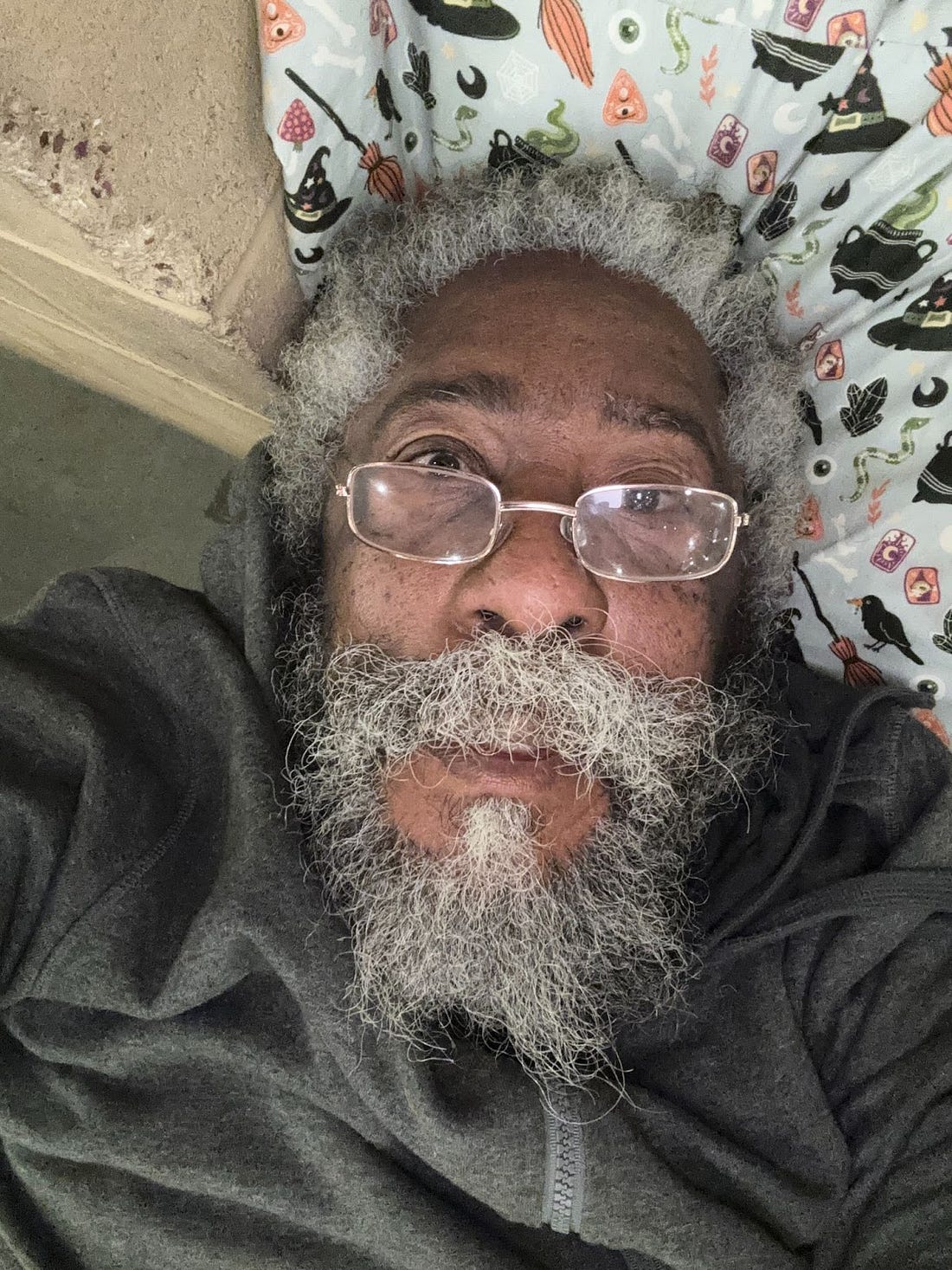
“My house burned down, and we had nowhere to go,” said Jim M., 63, who lost his home during the California wildfires. “Someone called me and told me to get up, so I did. When I looked outside, the fire was right across the street. I stayed for a moment, trying to take it all in, but then I knew it was time to go. I tried going one way, but the fire was too strong, so I backed up he road and took another way out. I could barely see anything, but I grabbed my two dogs, and we got out. My biggest worry was figuring out where we were going to go.” Jim got little support from the government, but he did get a cash infusion almost right away. That cash was a lifeline that made the difference between poverty and prosperity for him. As US communities are in the middle of natural disaster season — in what is looking like it may be one of the worst on records — here is why unequal response to communities can leave areas struggling for decades even after fires or flood waters subside.
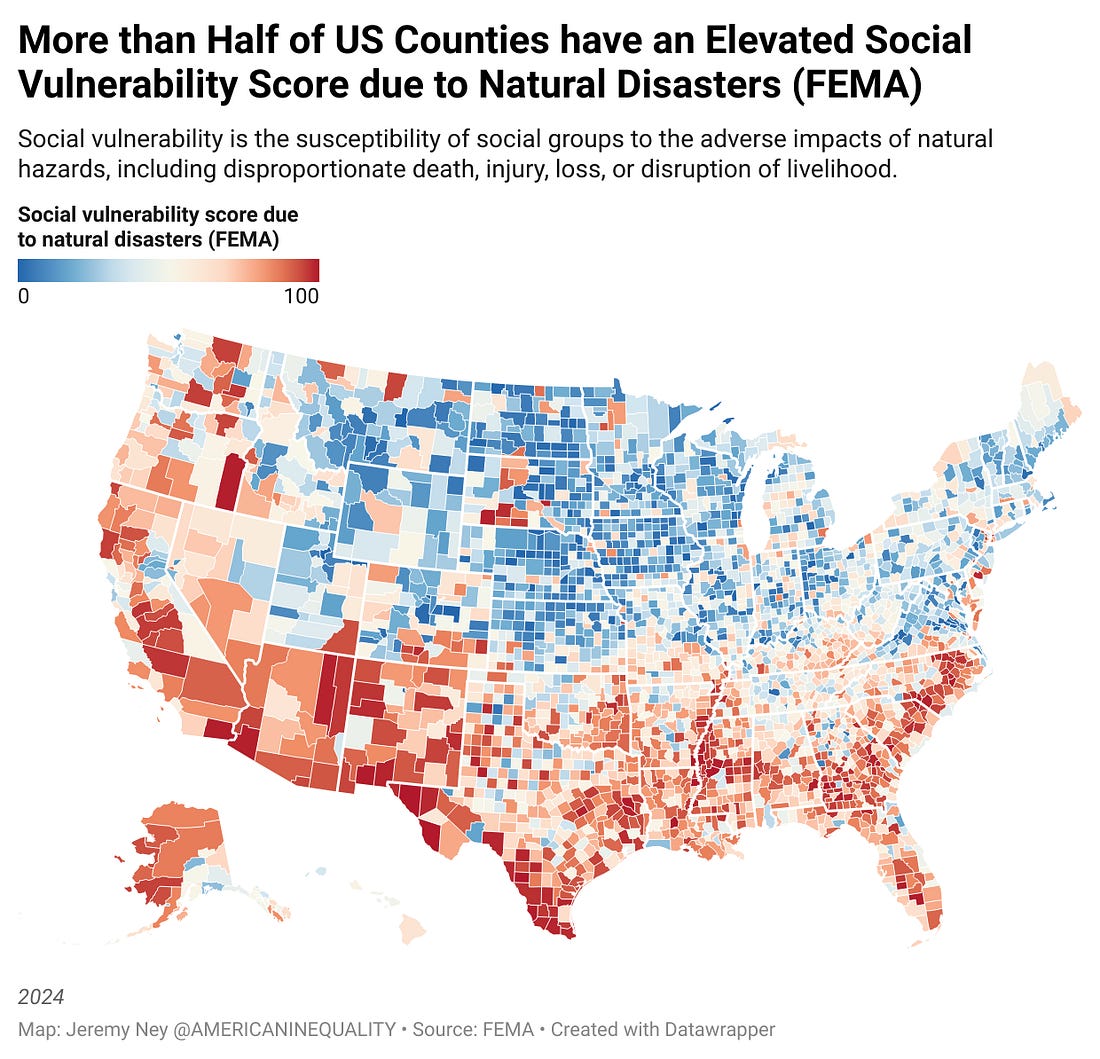
The Natural Disaster Risk Landscape is Evolving. So Should Our Response Toolkit.In the early and mid-20th century, fewer than 20 percent of U.S. counties experienced a disaster each year. Today, it's about 50 percent. Last year, Americans faced 27 billion-dollar disasters - on average a catastrophic emergency every two weeks, more than double the number in 2018. For the last 50 years, at least 1 person has died per day on average from a natural disaster in the US.
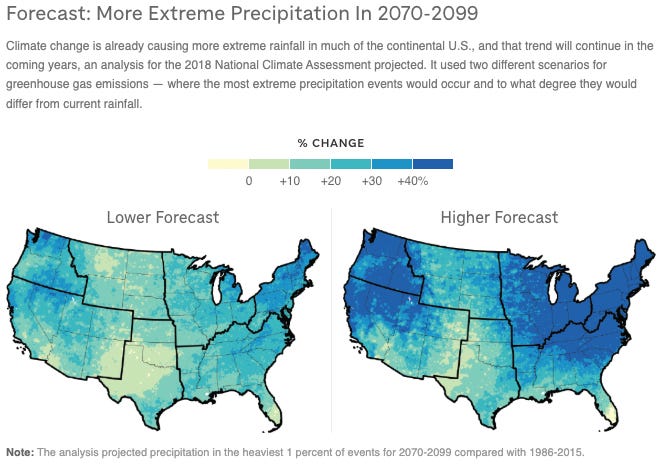
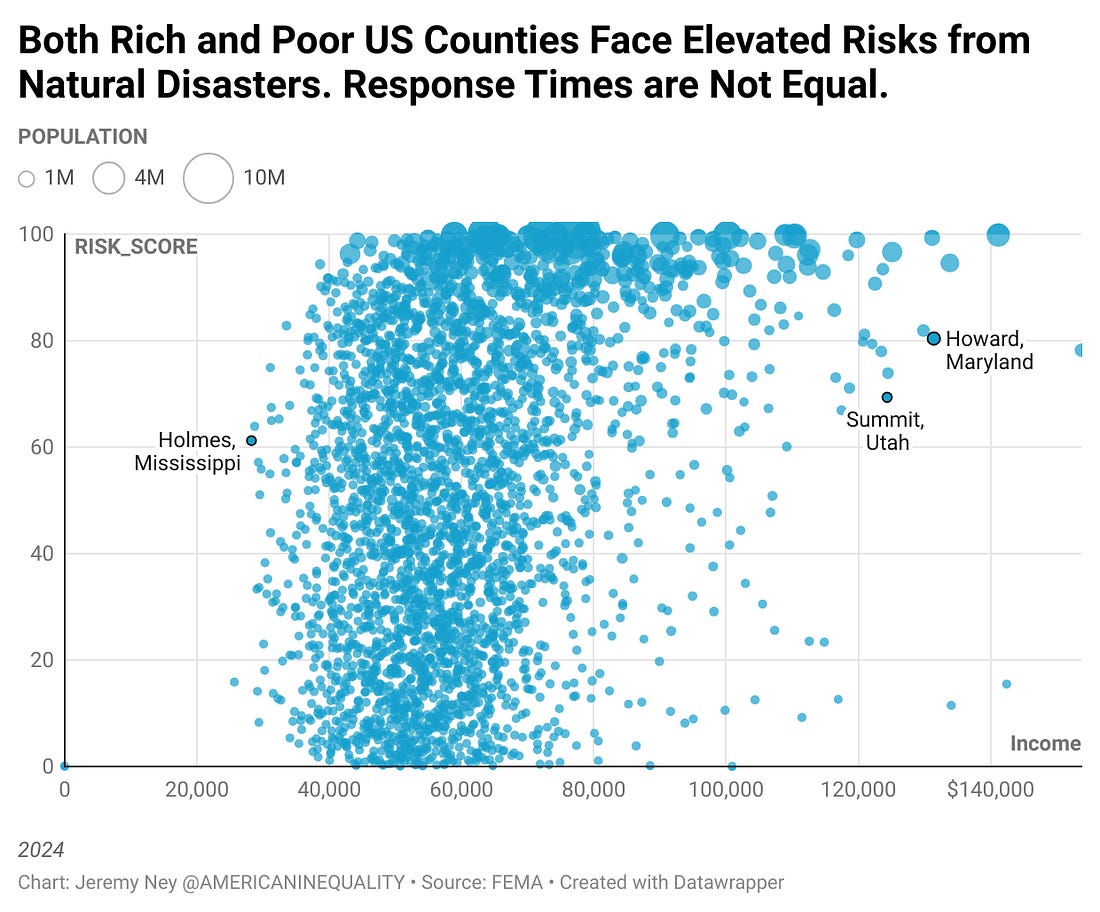
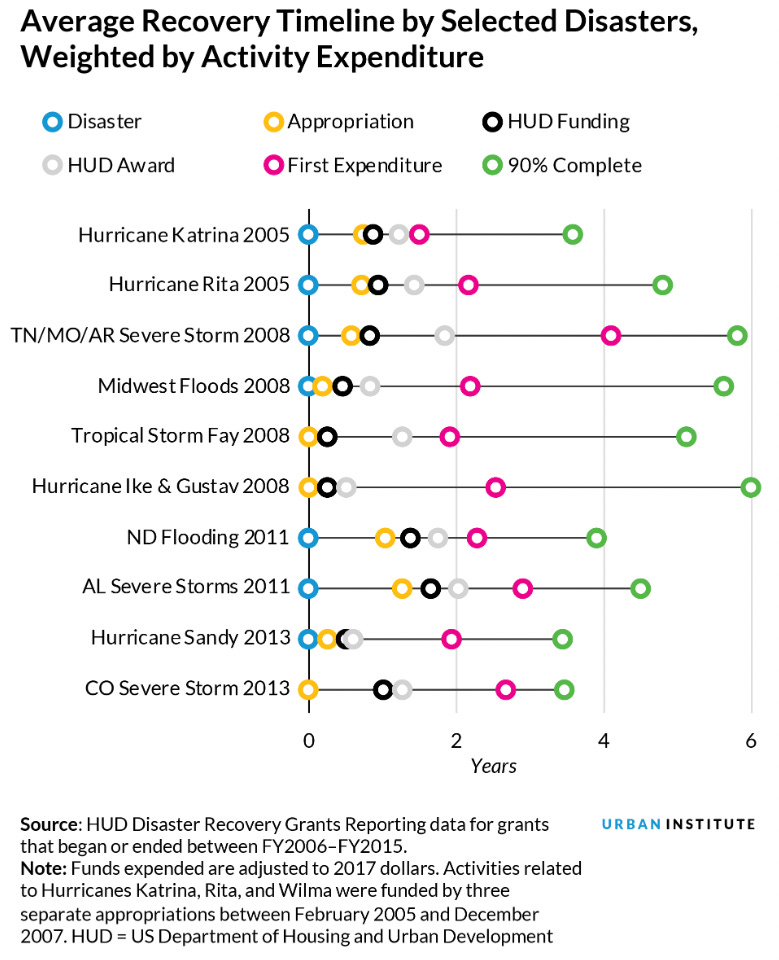
Smaller scale disasters are also increasing, and hitting new communities with less preparedness. America has observed a steady eastward push of tornados and wildfires. Flooding outside of FEMA’s 100-year flood zones rises higher each year. These smaller events can decimate local communities without garnering the public or private response that the community needs. For example, while the LA fires raised more than $650 million in private donations, the approximately 750 Mountain Fire survivors in California received no federal funding or assistance, and limited philanthropic attention. Disaster Response Compounds Inequalities for Vulnerable GroupsScale is just one factor that often drives inequity in traditional disaster response. Poverty and race create compounding inequalities. Flood risk is 21% higher in low-income neighborhoods. Living in more disaster-prone areas (like floodplains) can create barriers to insurance, evacuation, and private and public aid. Research shows that it can take low-income families 2x - 3x longer to financially recover from natural disasters. A 15-year longitudinal study of low-income, predominantly Black parents who survived Hurricane Katrina found that mental health concerns persisted more than a decade after the storm. A 2022 Nature study estimated that per capita flood damages in Hurricane Harvey measured $1,305 for Hispanic households vs. $828 for White households. Even though White households on average have higher property values, the Hispanic families were more frequently located in flood plains or lacked insurance, leading to their higher cost burden. While the immediate impact of losing a home is unimaginable, the weeks and months after a disaster can bring more devastation as precarious financial and living situations try to absorb the shock. Ineffective and inequitable responses by both government and private donors drive bad outcomes.Both government and private responses are far from ideal. Most FEMA assistance ends after 18 months. And when an emergency declaration is made, the response is slow and bureaucratic. From 2016 to 2018, the average wait time to receive a first FEMA grant was 37 days — for very low-income applicants, that wait stretched to 57 days. Rejection rates are high, grants favor homeowners, and the level of support is not enough.
Private responses from GoFundMe pages or corporations are often poorly-targeted and exclusionary. Nonprofit and corporate responses often focus on in-kind aid (like water, clothing, and food), which have dubious value and logistical hurdles. “Ground-up” mutual aid efforts often require technical know-how, compelling storytelling, and virality. New research suggests that cash sent through GoFundMe disproportionately benefits the wealthy rather than those who most need help. Researchers examined donations to hundreds of people who lost their homes in the 2021 Marshall fire in Colorado, which destroyed more than 1,000 dwellings near Boulder. They found that those with household incomes above $150,000 received 28% more money, on average, than those with incomes below $75,000. Among 175,000 crowdfunding campaigns created in response to the Covid-19 pandemic, the top 1% received nearly 25% of all money pledged. The Path ForwardWhat is needed is a model of delivering aid that is nimble enough to respond efficiently to increasingly frequent disasters, and provides assistance regardless of someone’s ability to navigate bureaucracy or tell a compelling story. This is what helped Jim Mayfield get his life back on track. Cash can do that. 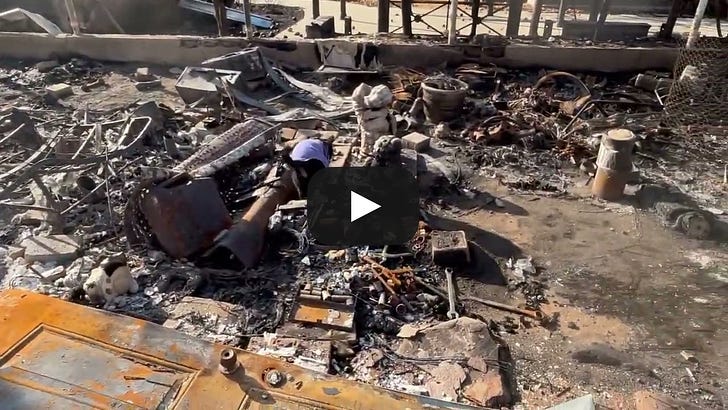
Even as the harm from disasters grows, the future of the government’s disaster response system is uncertain. In March 2025, the Government Accountability Office added federal disaster recovery to its “High Risk” list, calling for a commission to address fragmented, ineffective efforts. That same month, an “Abolishing FEMA” memo leaked, which proposed rapidly downscaling federal response efforts and shifting the burden to local governments and private efforts. This model of rapid cash is both possible and impactful. But to truly scale it we need government and private responders alike to do more of it. Any changes to the system should focus on what works: cash.
You’re on the free list for American Inequality. Thanks so much for being part of our community! Please share with others and don’t forget to subscribe. Most sincerely, Jeremy
|
среда, 30 июля 2025 г.
Why Disaster Aid Fails the Most Vulnerable






Подписаться на:
Комментарии к сообщению (Atom)
Комментариев нет:
Отправить комментарий
Примечание. Отправлять комментарии могут только участники этого блога.