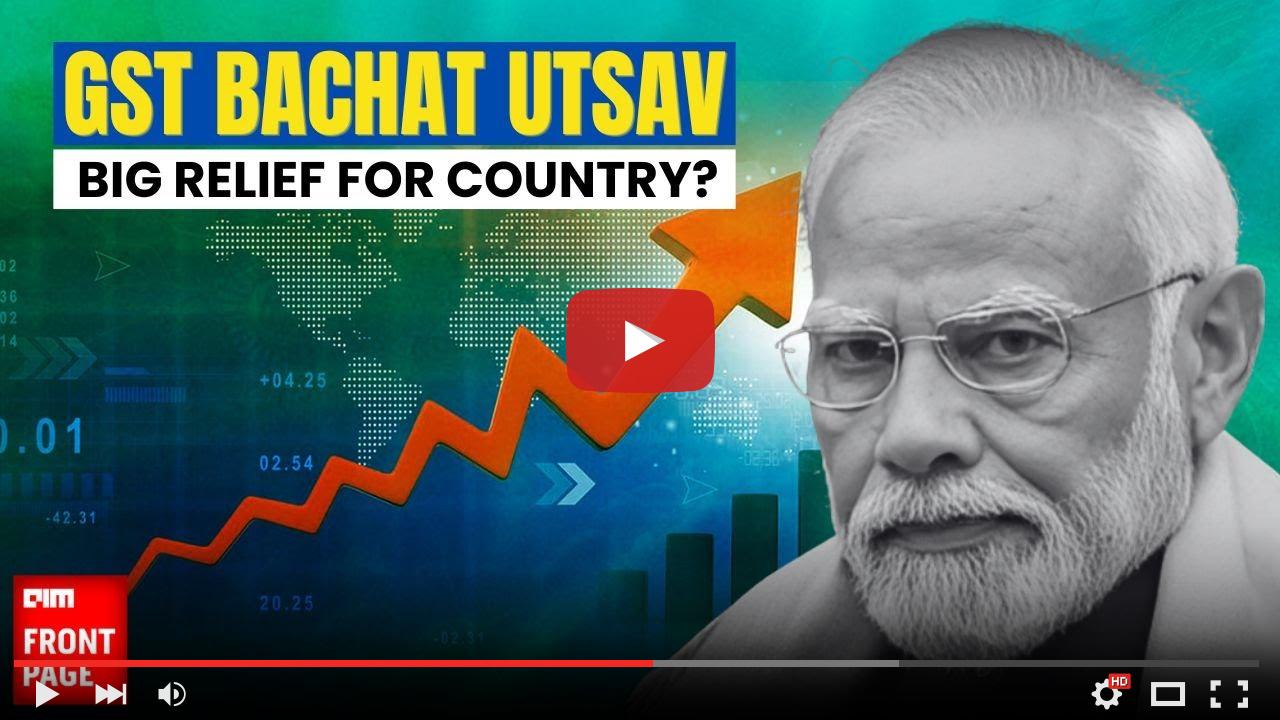
But not everyone is optimistic. Kamal Karanth, co-founder of Xpheno, added that the ripple effects of the broader policy environment, such as potential moves like the proposed Halting International Relocation of Employment (HIRE) Act, could eventually extend to GCC operations as well. Read: Trump's H-1B Fee Alarms Industry, But India Sees GCC Opportunity Startups, however, are likely to remain unfazed. Abhishek Prasad, managing partner at Cornerstone Ventures, pointed out, "Startups usually don't target H-1B quotas for their US efforts and end up either seeking short-term visas for founders or key team members to visit customers or investors." In fact, the H-1B shock could end up reversing India's brain drain. And startups are smiling about it. Shantanu Gangal and Sangram Raje, co-founders of Prodigal, predict that Indian talent will eventually move back home as US immigration policies tighten and are optimistic about what this could mean for the AI sector. Madhav Krishna, CEO and founder of Vahan.ai, who is of the same mind, believes changes in visa structures could encourage more people to stay back and build in India. Read: What $100,000 Visa Fee Means for Indian AI Startups So, what looks like a threat could turn into an opportunity for GCCs and startups in India. While Indian IT struggles with margin pressures and delivery adjustments, the next spurt of growth may well be led from the home turf. Regardless, Quess Corp CEO Kapil Joshi's cautionary message hits a nerve. "The H-1B visa fee hike is more than a policy change in Washington—it is a wake-up call for New Delhi." AIM NETWORK >>> Prime Minister Narendra Modi has launched GST Bachat Utsav, collapsing 12% slabs into 5% and 18%, cutting household costs by ₹2.5 lakh crore. Announced on Navratri's opening day, Modi's reforms mark a Swadeshi surge, urging Indians to "Make in India, Buy in India." | 





Комментариев нет:
Отправить комментарий
Примечание. Отправлять комментарии могут только участники этого блога.