What can America learn from Kenya about fighting poverty?Evidence from the largest cash transfer program in history, in collaboration with GiveDirectly, and featuring words from former mayor of Stockton Michael Tubbs
I’m excited to co-author this piece with Dustin Palmer, The US Country Director at GiveDirectly and former Program Director at Code for America. INTERESTING ON THE WEB
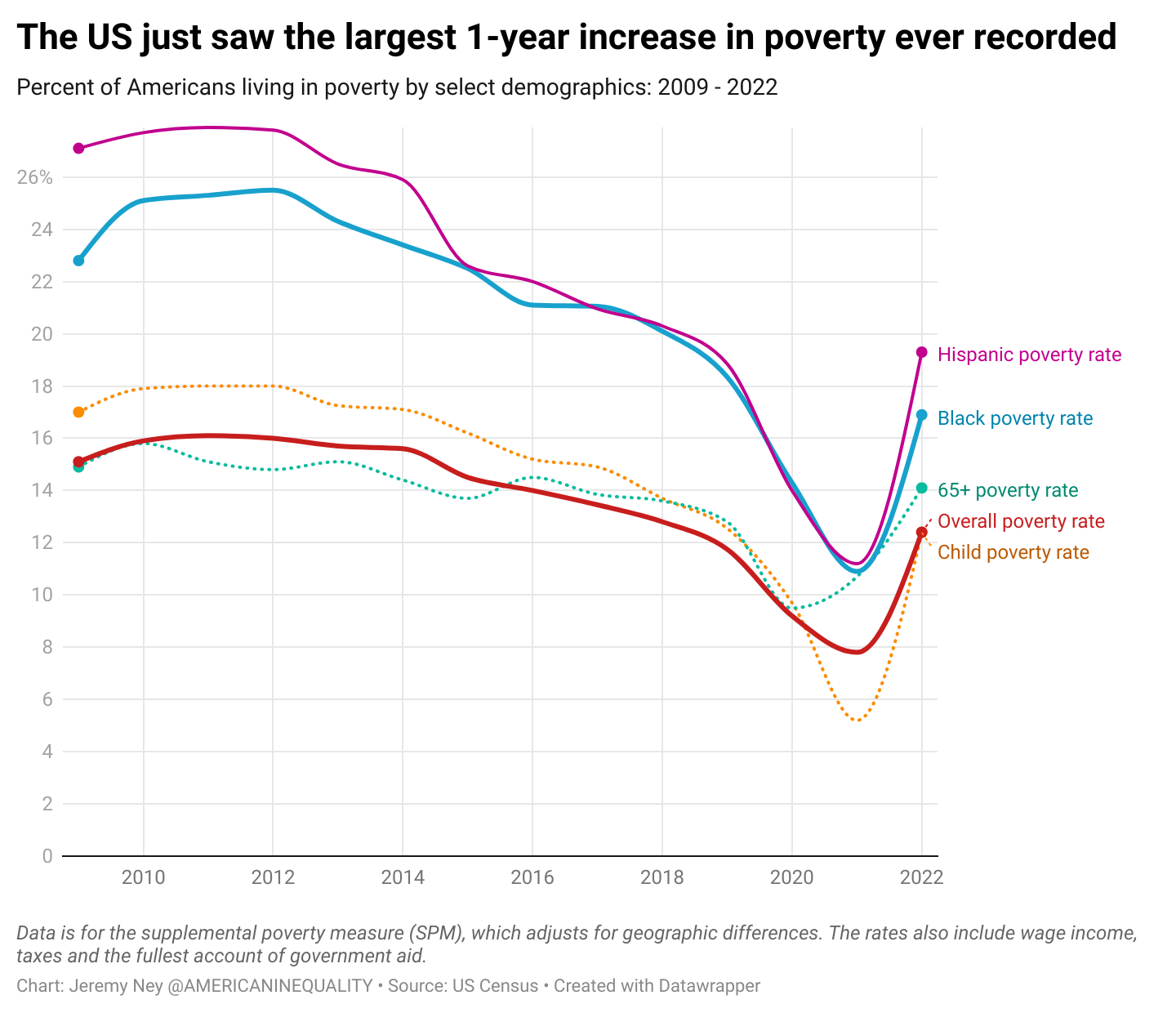
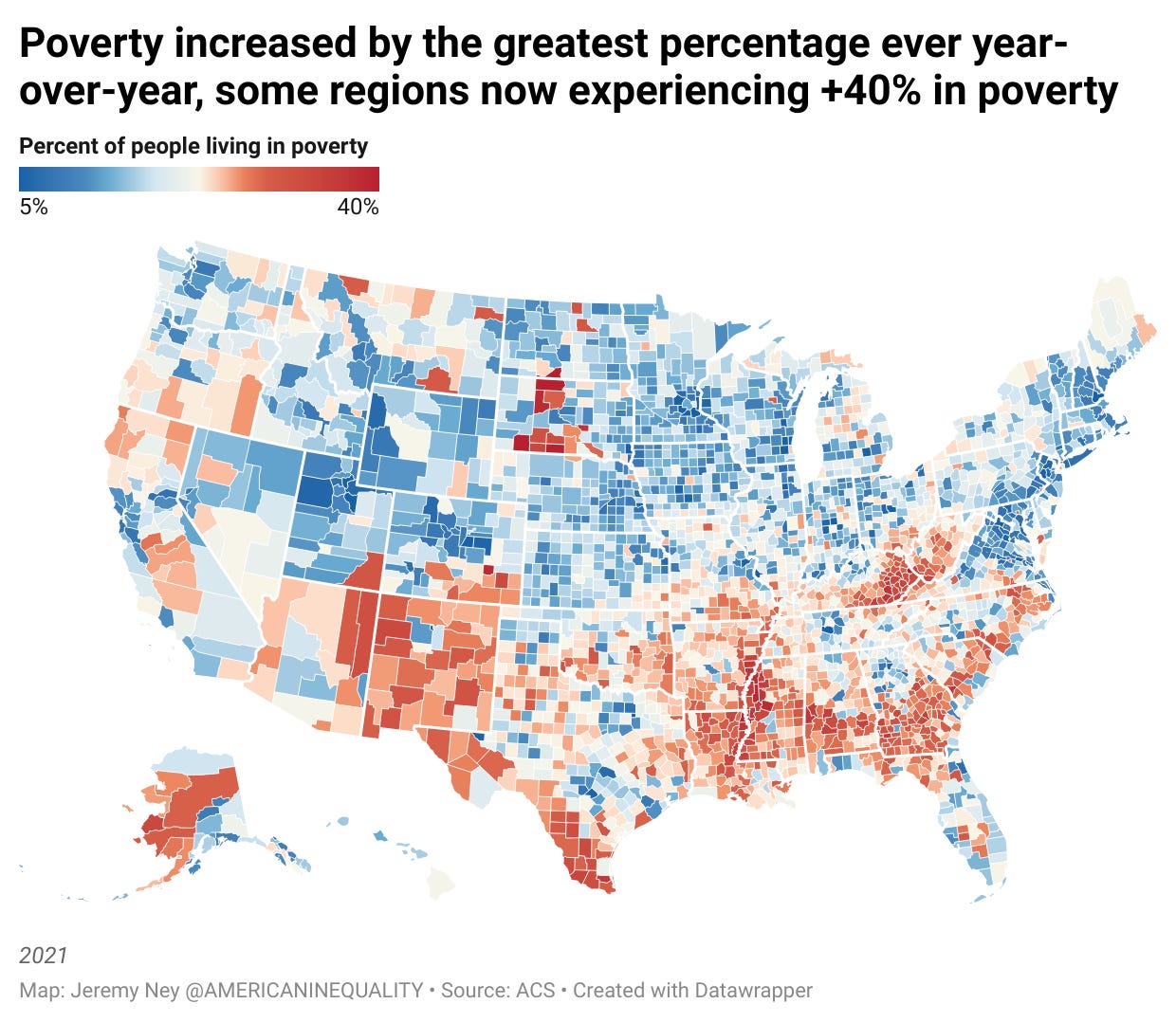
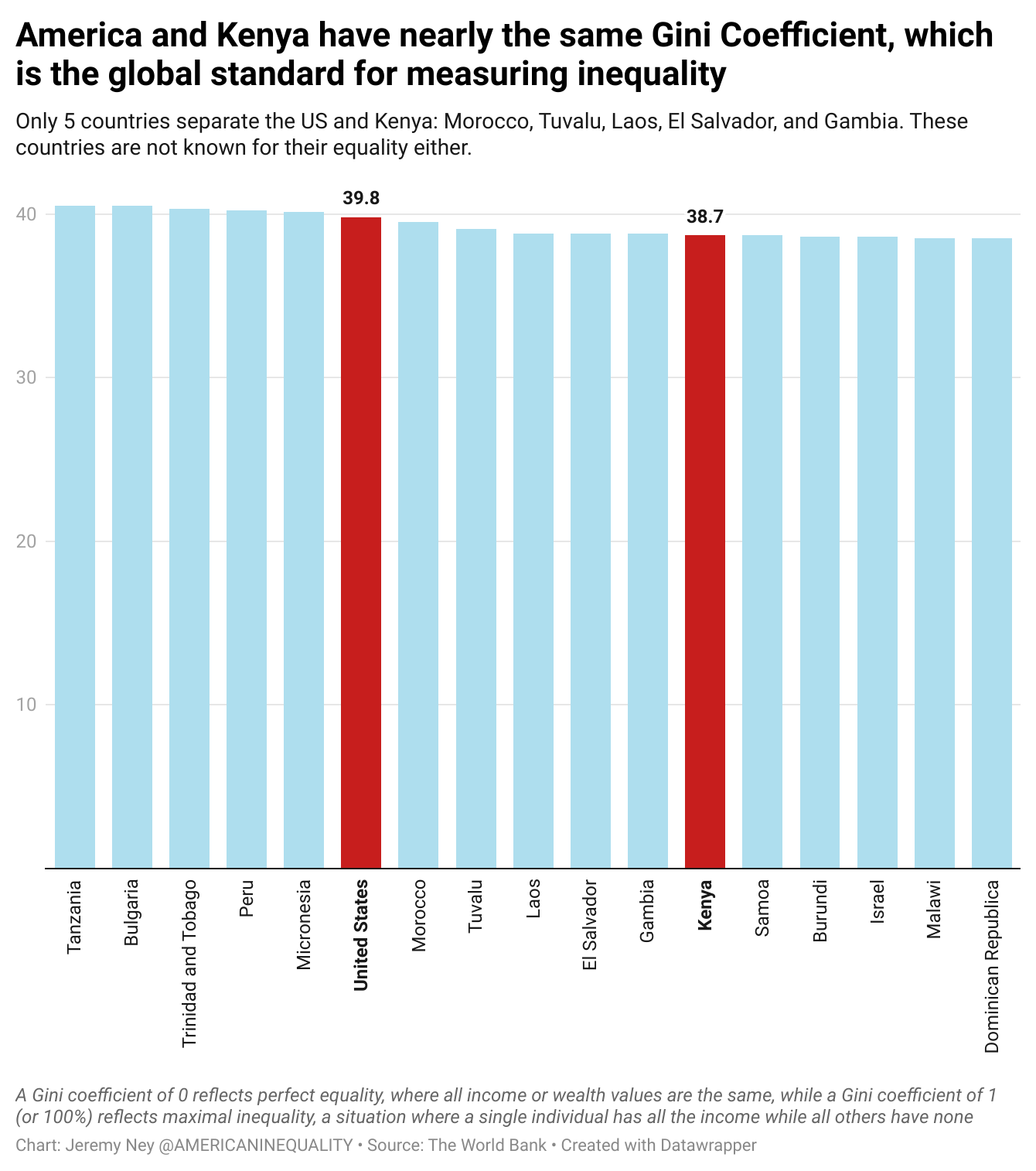
The US experienced the largest ever annual increase in poverty this past year. 1 in 8 Americans now live in poverty, nearly double from the year before. Meanwhile, 1 in 8 children now live in poverty, nearly triple from the year before.
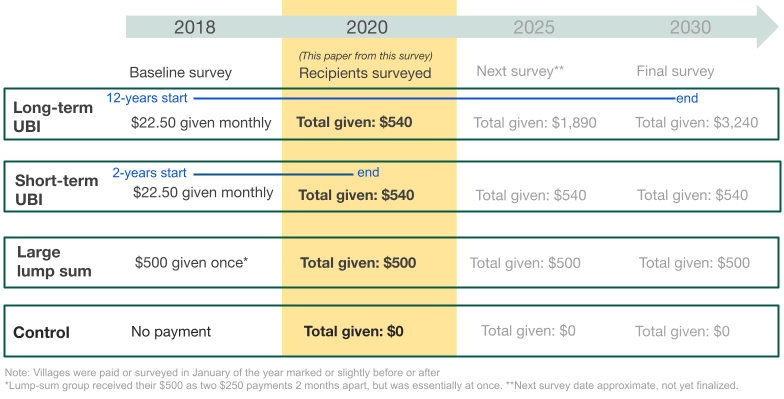
What changed and why is this occurring? The answer has to do with the drying up of cash. Over the last two years, America experienced improvements in poverty reduction, largely through cash transfers to low-income families. Tremendous expansion of safety net programs like the Child Tax Credit (CTC) and Earned Income Tax Credit (EITC) lifted millions out of poverty and provided direct aid to low-income households. However, most of these expanded pandemic-era programs have now expired and families are falling back below the poverty line. For today’s newsletter, I’m partnering with GiveDirectly, a nonprofit that gives unconditional cash transfers to low-income communities, to show how effective cash can be for reducing inequality and accelerating opportunity. The data that their team has gathered is from the first 2-years of a 12-year cash program that supported 20,000 people in Kenya, the longest and largest universal basic income program in the world. Their efforts open up the door for a different type of “Opportunity Mapping” than we’ve done before. Instead of just looking at how one state or county can learn from another, we can look across countries and find where we can gather similar insights.
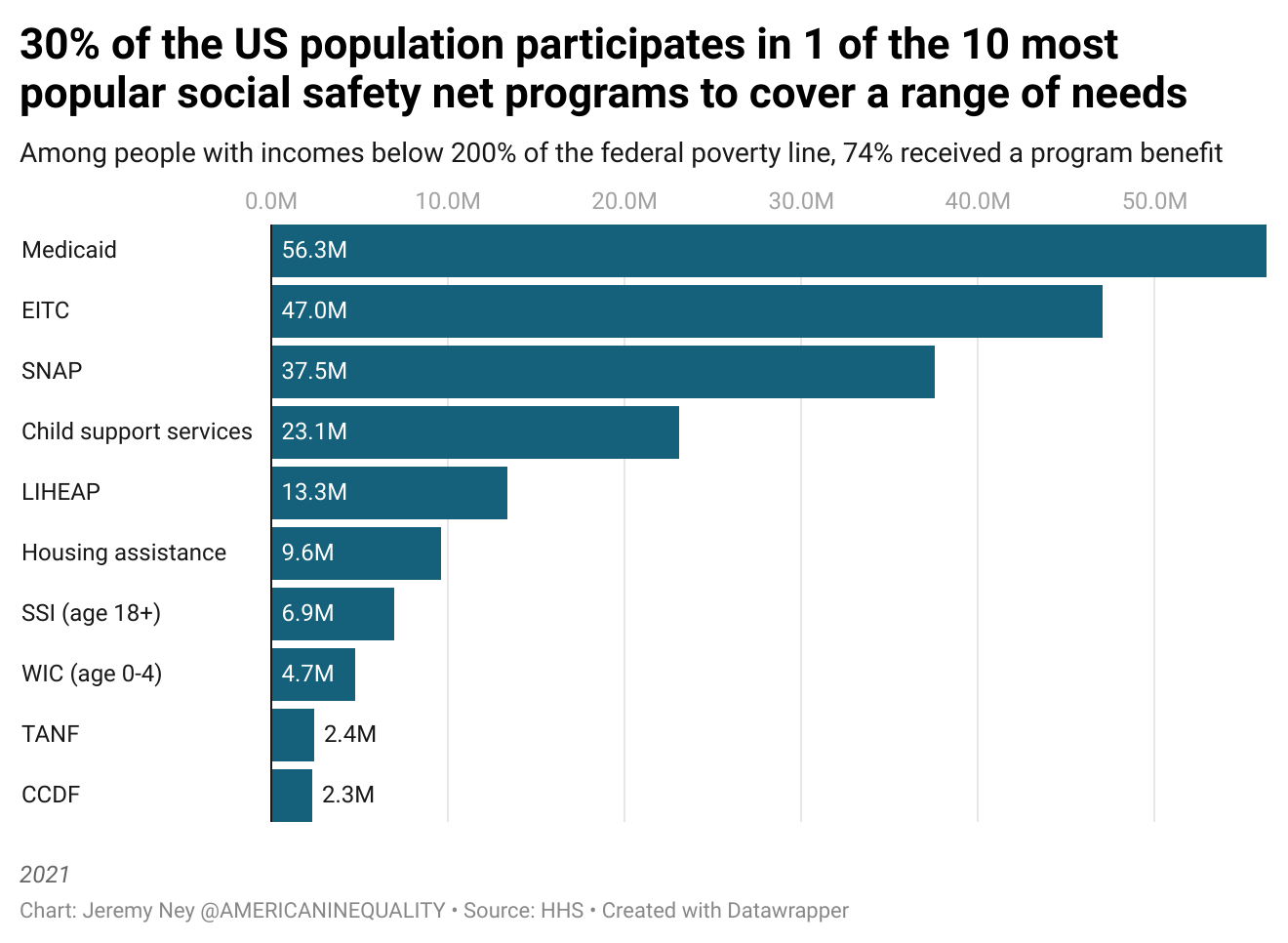
When it comes to tackling poverty, cash is kingThe 10 largest social safety net programs in the US cover the wide range of needs for Americans: healthcare through Medicaid; childcare support through the EITC and CTC; food benefits through SNAP (previously known as food stamps); and housing support through HCV and other voucher programs.
But all these programs struggle with the same challenge: they are too narrow to help families achieve real prosperity. Efosa Ajomo, co-author of The Prosperity Paradox, explains,
GiveDirectly and the power of cashGiveDirectly is the first and largest nonprofit that allows individual donors to send money directly to the world’s poorest, no strings attached. GiveDirectly was founded in 2009 with a simple idea: if giving unconditional cash works so well, how come there isn’t an NGO that is exclusively running cash programs? Since then, GiveDirectly has delivered over $700 million to over 1.5 million recipients in 15 countries, including the US. In the wake of the COVID pandemic, GiveDirectly launched Project100, which reached just under 200,000 people in 49 states and Puerto Rico and distributed $188.3 million. It’s the largest donor-funded cash transfers program in US history. Studies show unconditional cash transfers can more than double incomes; increase school enrollment and entrepreneurship; decrease skipped meals, illness, and depression; and cut domestic violence by one third. It does not decrease hours worked or increase spending on temptation goods like tobacco and alcohol. There’s a spillover effect to where every $1 given amounts to $2.50 in the local economy. Even three years after the transfer, recipients are still earning more and are more educated. The largest and longest cash transfer program in historyIf we have limited funds to help a person living in extreme poverty, should we give it out all at once or split it up monthly? This study tell us not only how effective cash is, but also begins to tell a story of the most effective way to give cash aid.
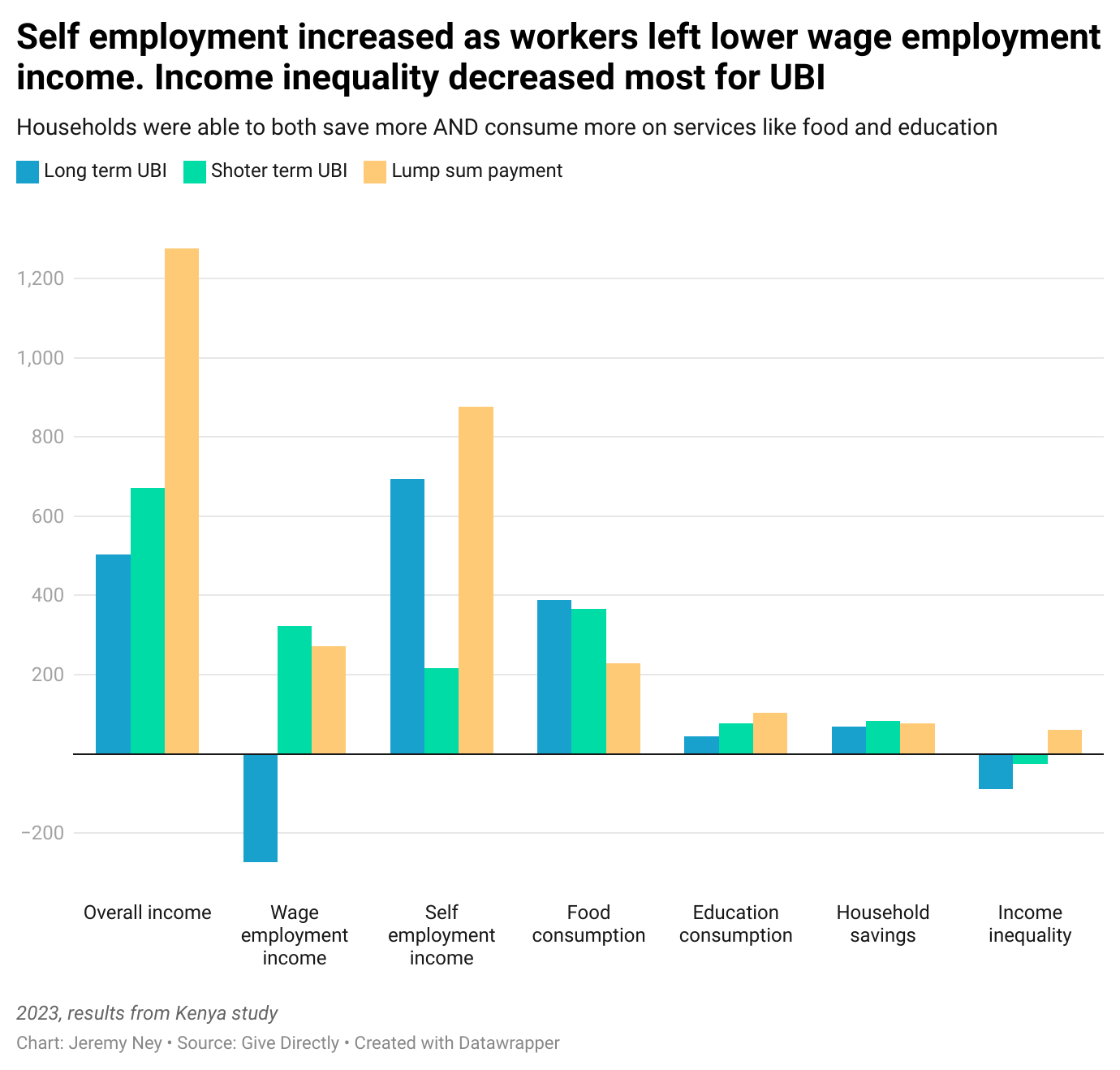
The results are simple and offer helpful guidance:
The most common way that people in low and high income countries receive cash assistance — including most UBI pilots in the United States — is through short-term monthly payments, which this study found to be the least impactful design. The results should make governments reconsider how they deliver cash aid based on what outcomes they are hoping to achieve.
Connecting to the US contextTranslating this to a US context is critical, and change-makers in America can learn 2 big things from the Kenya program. First, lump sum payments and long-term UBI reduce poverty and promote opportunity. Second, some preconditions may make it more difficult for this work to catch on in certain US communities. There are over 100 universal basic income programs in the US currently running or that recently ran that you probably don’t know about. Perhaps the most famous ran in Stockton, California, which gave randomly selected residents $500 per month for two years with no strings attached. Not only did workers in Stockton continue to work (usually the biggest complaint against UBI programs), the money actually resulted in a 42% increase in workers going from part-time jobs to full-time jobs since the additional funds gave them the ability to take time off to interview. Recipients spent 37% of the funds on food, another complaint often levied against UBI that recipients will spend it on unnecessary items. Michael Tubbs, the former mayor of Stockton, CA and now founder of Mayors for a Guaranteed Income, shared this with American Inequality:“Last summer, I visited one of the villages where GiveDirectly is running its historic UBI program. What I saw in rural Kenya mirrors success stories of other guaranteed income pilots from Stockton to St. Paul to Atlanta: Trust people in poverty with cash, no strings attached, and watch them thrive. Cash aid built on trust affirms dignity and fights the indignities of poverty.”
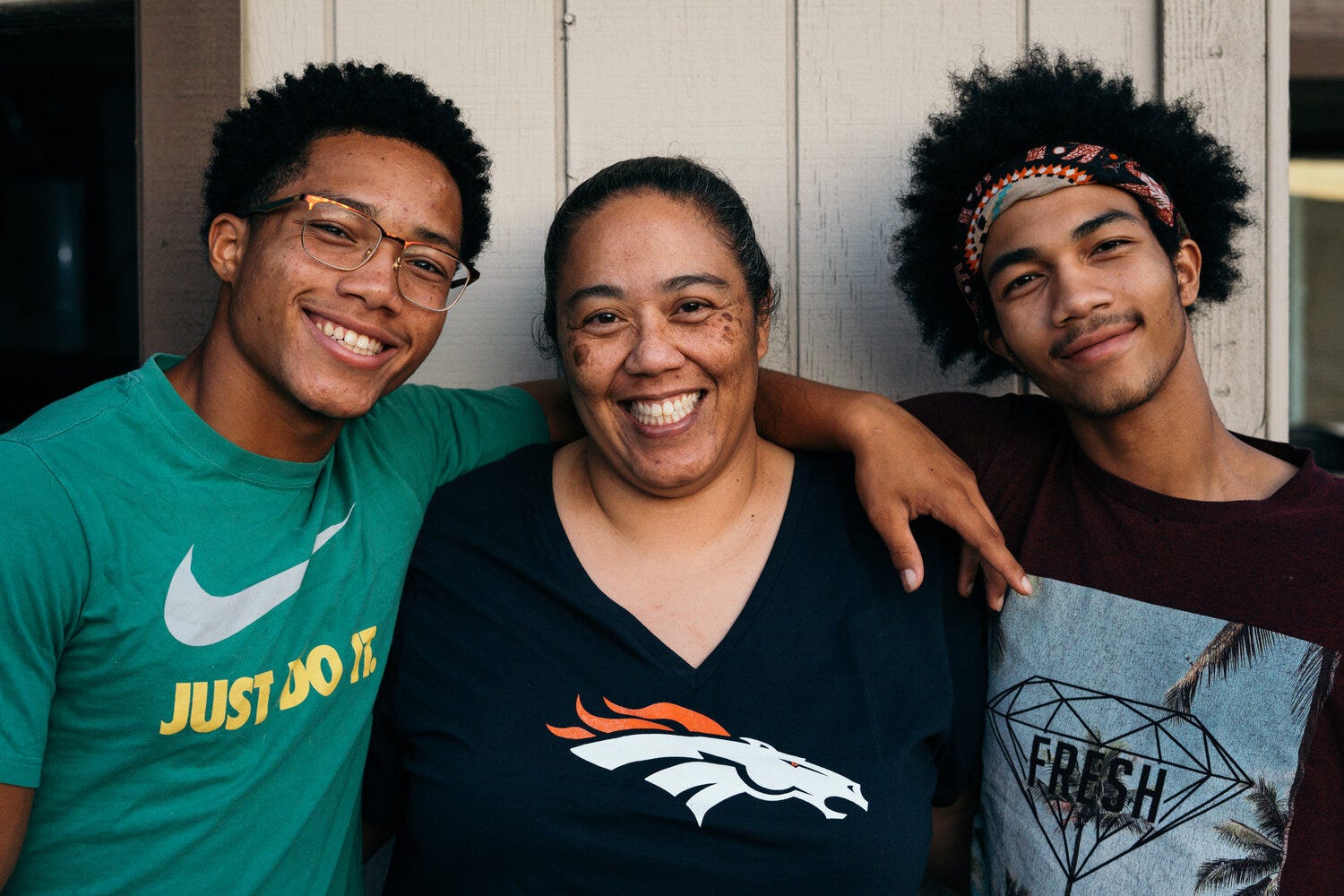
Mekie was one of the Stockton recipients of cash funds and explained how it helped not only change her life, but the lives of her sons and grandchildren. She moved to Stockton from Topeka, KS in 2014 and now works a job in a warehouse packing boxes. Her son wanted to run track in school, though not having good shoes or enough food made that quite hard. With the cash program, Mekie explained, “I was able to give him money so he wouldn’t be hungry when he was at his track meet when he would go out of town. It was basically for them. It’s basically, it’s all about them. Then I was able to make car payments on time – things got a little easier.” Debt, self employment, and failure to launchLarge lump sum payments in particular may work differently in the US context. First, the Kenya lump sum was equivalent to about a year’s income, whereas almost all lump sum designs that have been tried in the US have been less than $10,000, or far less than the US federal poverty level (about $20,000 for a family of two). The efficacy of attempts may simply be limited by size. Second, many Kenyan recipients experience the greatest economic gains from self employment. Larger lump sums may allow Americans to access the same entrepreneurial paths, or they may face steeper barriers to entry (like all the licenses that are required for many businesses) than Kenyan entrepreneurs depending on their circumstance and community. Finally, the US has very high levels of debt that may prevent lump sum payments or UBI from working as effectively. American households have an average of $104,215 in debt, and for households with student debt, their debt-to-income ratio may be +200%. It’s possible that Americans would spend a much larger portion of their lump sum payments or UBI reducing debts (i.e. the funds would end up back at lenders), rather than starting new businesses or increasing consumption. For these programs to be most effective, policymakers may benefit from starting in regions where the debt burden is far lower. The Path ForwardMiriam Laker, the director of research at GiveDirectly, highlighted that “we have to be patient when it comes to real change. Our short-term program showed significant gains, but our longer term programs have made real investments in the future. That is where we start to see the benefits really pay off.” US policymakers and politicians can sometimes get bogged down in the short term, but real change takes time, which is why we need to start today.
Cash is king. US communities struggling most with poverty would benefit from GiveDirectly’s approach, while ensuring that such programs launch in a thoughtful way. Prosperity is possible, if we’re willing to invest in it.
You’re on the free list for American Inequality. Thanks so much for being part of our community! Please share with others and don’t forget to subscribe. Most sincerely, Jeremy
|
среда, 13 марта 2024 г.
What can America learn from Kenya about fighting poverty?








Подписаться на:
Комментарии к сообщению (Atom)
Комментариев нет:
Отправить комментарий
Примечание. Отправлять комментарии могут только участники этого блога.